


The ocean is not a backdrop. It is the whole point.

Understand the Water is POD's editorial series for people who spend serious time in the water. It covers the mechanics and technique of surfing, bodyboarding, and bodysurfing; swim fin, handboard, and goggle selection; open water swimming; ear health; and the physics of what happens when a human body meets a moving body of water.

Every article comes from direct experience. No academic framing. No generic advice recycled from elsewhere. POD holds its content to the same standard as its products: function comes first, and nothing gets added unless it serves a clear purpose.

The series covers five disciplines: bodysurfing, bodyboarding, surfing, swimming, and open water. New articles arrive regularly, written to stay true whenever you read them.

Read what is relevant to your water. Come back when the next one drops.

Our Story

Understand The Water

The Guide to Airtight Gear - Marine Tech for Modern Travel

The Guide to Airtight Gear - Marine Tech for Modern Travel

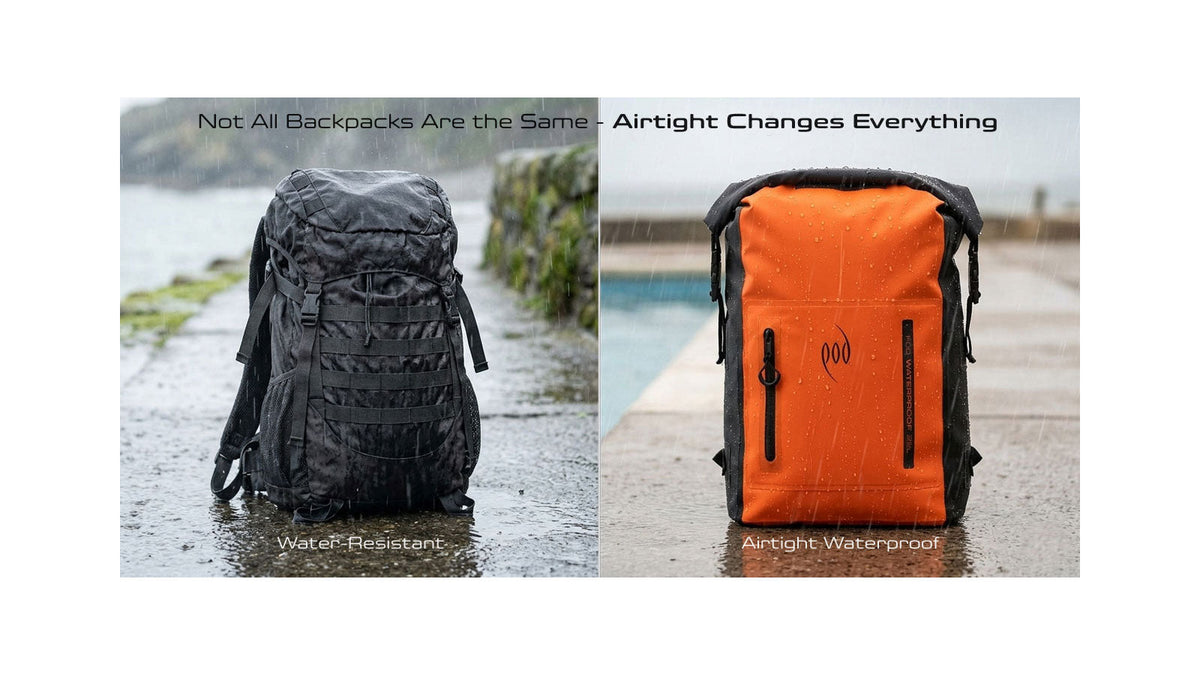
Built for the Water, Used Everywhere If you have ever opened a soaked bag after a sudden downpour and found a laptop, camera, phone, or paperwork ruined, you already know that water-resistant and airtight are not the same thing. Are...

Read moreabout The Guide to Airtight Gear - Marine Tech for Modern Travel

A bodyboarder riding deep inside a large hollow wave near a rock breakwall, with the text "Board Creates the Advantage." above and "Body Position Changes Everything." below overlaid on the image

How Body Position Controls Speed and Direction in Bodyboarding

The bodyboard's total surface area gives bodyboarding a mechanical advantage over bodysurfing. A bodysurfer uses a handboard to generate lift at a single contact point. A bodyboarder distributes their weight across the board's full surface. That surface area generates lift,...

Read moreabout How Body Position Controls Speed and Direction in Bodyboarding

A female open-water swimmer standing at the shoreline in a black swimsuit and pink swim cap, holding AquaLuxe goggles at her side and looking out toward the ocean at sunrise, with coastal headland in the background

Open-Water Swimming - What You Need to Know Before You Enter
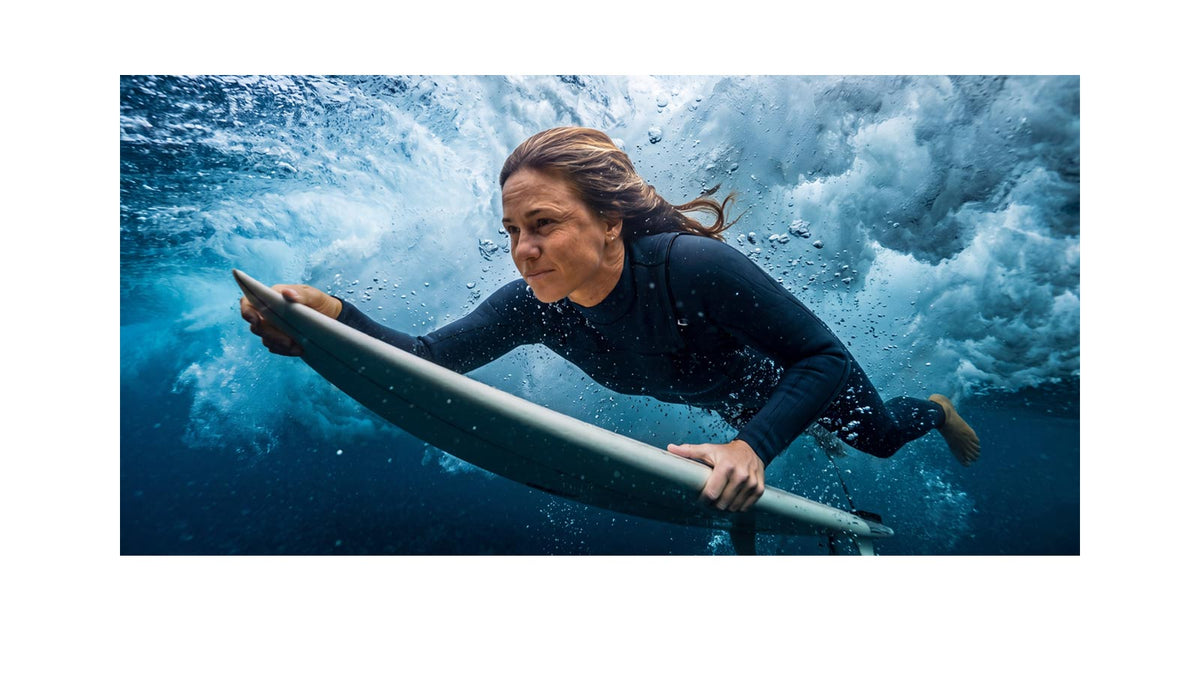
Pool swimming and ocean swimming are different. While the stroke mechanics are much the same, the setting and environment are not. Instead of lane ropes, consistent depth, regulated temperature, and transparent water, open water brings swell, currents, chop, changing visibility,...

Read moreabout Open-Water Swimming - What You Need to Know Before You Enter

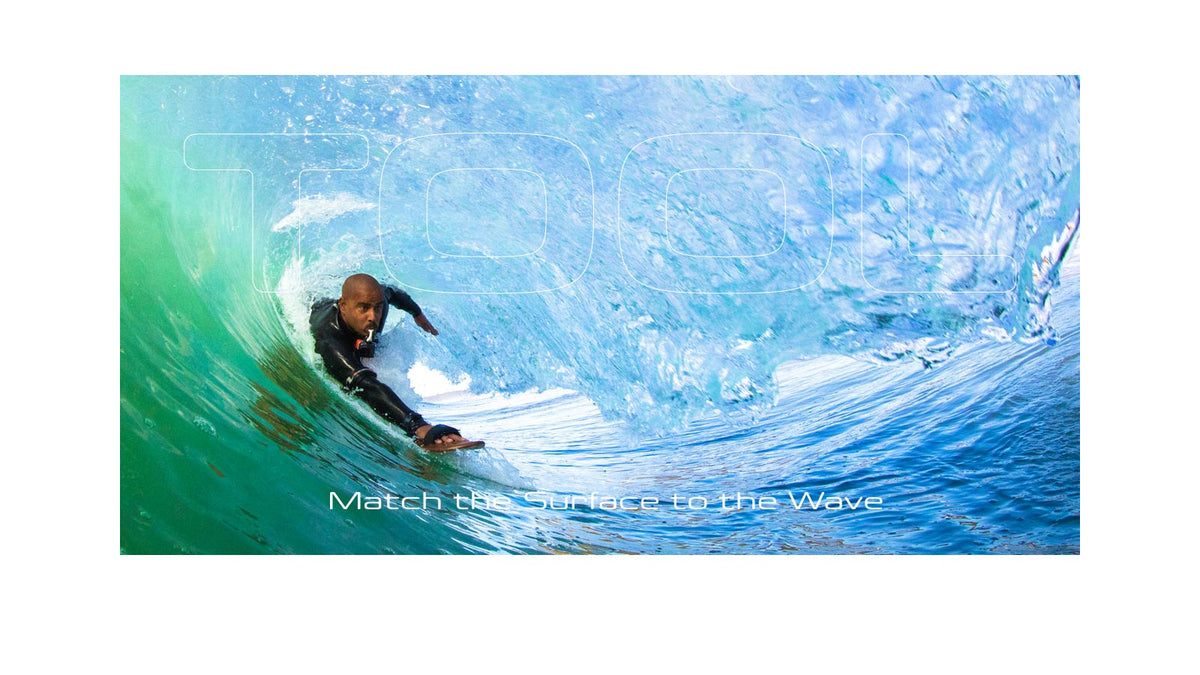
A bodysurfer riding deep inside a large hollow green wave holding a POD handboard, with the word "TOOL" overlaid in large outline lettering and the text "Match the Surface to the Wave" below

How to Choose a Handboard Based on Conditions and Style
A handboard, also called a bodysurfing handplane, extends your planing surface. Choosing the right surface area and rail profile is the final step in understanding how speed works in bodysurfing. You now understand the physics of speed and how to...

Read moreabout How to Choose a Handboard Based on Conditions and Style

Why Earplugs Fail in Surf and Open Water (What Actually Holds)
Why Earplugs Fail in Surf and Open Water (What Actually Holds)

You put them in, toggle or twist them into place, and they feel sealed. Paddle out, duck dive, take a hit, and a few moments later water is already in your ear. Not because you forgot them. Not because you...

Read moreabout Why Earplugs Fail in Surf and Open Water (What Actually Holds)

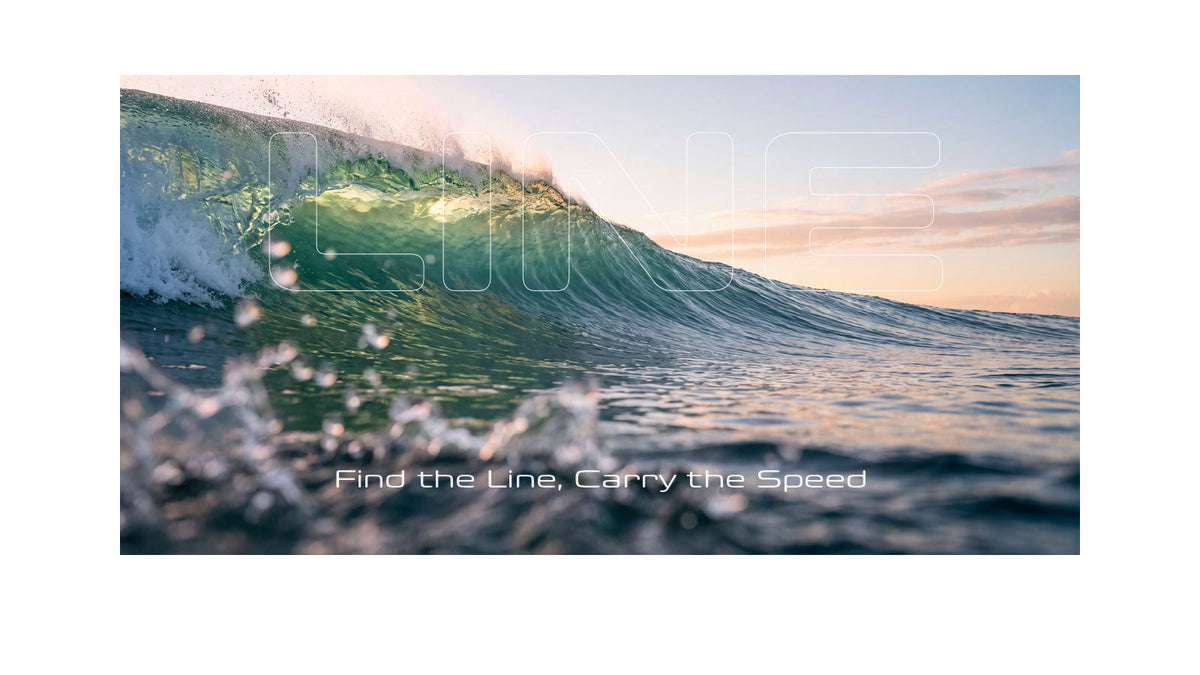
A large hollow wave pitching over open ocean with the word "LINE" overlaid in large outline lettering and the text "Find the Line, Carry the Speed" below

How to Read a Wave for Speed in Bodysurfing
Reading the ocean is a skill of anticipation. Speed doesn't come from reacting to what is happening. It comes from positioning for what is about to happen. Understanding wave types is the first step. This is where the application begins....

Read moreabout How to Read a Wave for Speed in Bodysurfing

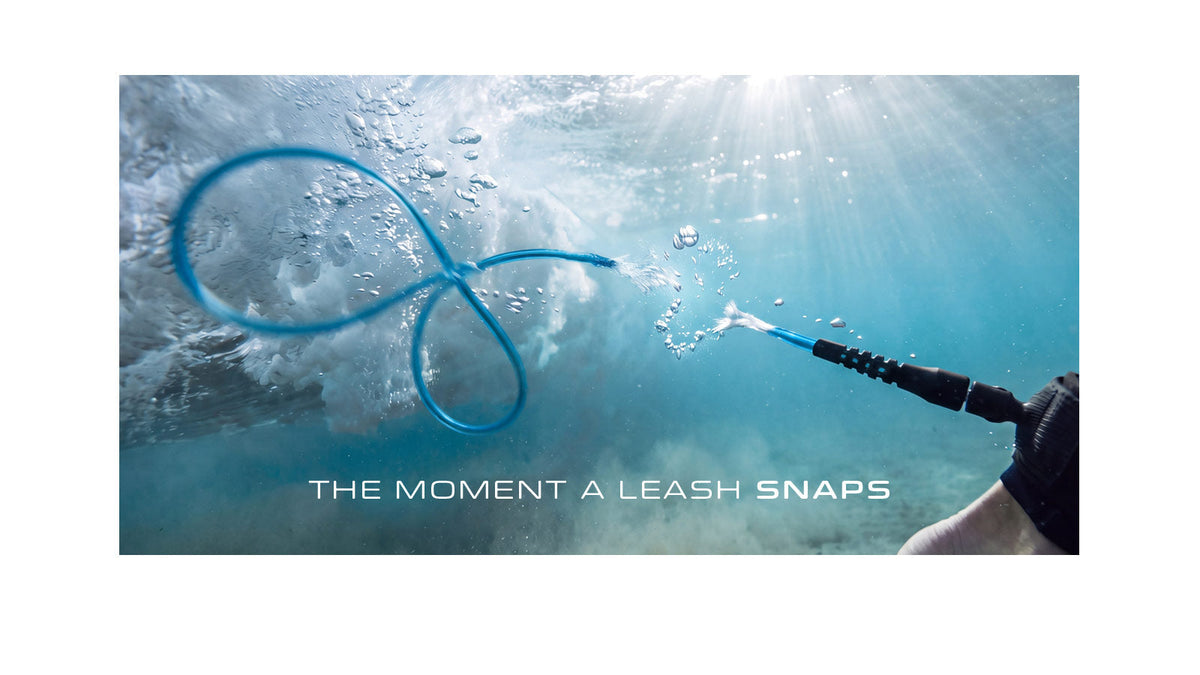
A leash snapped off, emphasising safety message. surfboard leash reaches full extension under load, with the text "The Moment a Leash Snaps"

Why Surfboard Leashes Fail Under Load and Snap

When a surfboard leash fails, it rarely happens gradually. It happens in a single moment under load, often when you need it most. One second, you are connected to your board; the next, you are watching it pulled away by...

Read moreabout Why Surfboard Leashes Fail Under Load and Snap

A square ocean scene with a breaking turquoise wave and white spray under a pale sky, with faint overlaid text and a large translucent 'WAVE' watermark across the center and the text "Wave Type Sets the Opportunity" below

How Different Wave Types Affect Bodysurfing Speed
Not all waves move the same. Understanding the ocean terrain is the first step toward mastering the line. A small, steep shore break can feel faster than a larger, slower-moving swell. The difference is not just size. It comes down...

Read moreabout How Different Wave Types Affect Bodysurfing Speed

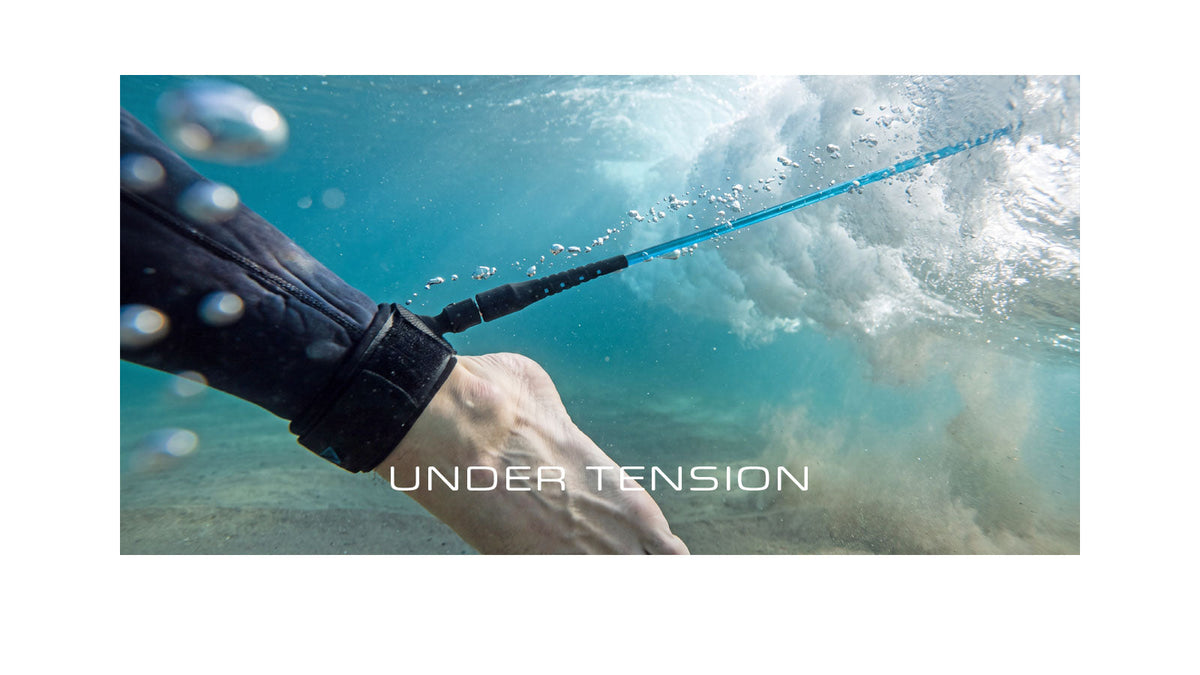
Underwater view of a surfers leg being pulled along the sandy seabed by a stretched blue surfboard leash connected to a board above the surface during a wipeout, with the text "Under Tension" overlaid on the image

How Surfboard Leash Stretch Affects Control and Safety

A surfboard leash does more than keep you connected to your board. Under load, it stretches, stores energy, and releases it back into the system. When this happens smoothly, it absorbs force and helps maintain control. When it does not,...

Read moreabout How Surfboard Leash Stretch Affects Control and Safety