
The ocean is not a backdrop. It is the whole point.

Understand the Water is POD's editorial series for people who spend serious time in the water. Not beginners looking for a starting point, not casual observers. People who want to go deeper into the mechanics of wave riding, bodysurfing technique, swim fin selection, open water swimming, ear health, and the physics of what actually happens when a human body meets a moving body of water.

Every article in this series is written from direct experience. No academic framing. No generic advice recycled from elsewhere. The same standard applies to every POD product function first; nothing is added that does not serve a clear purpose. This standard applies to every piece of content published here.

The series covers five disciplines: bodysurfing, bodyboarding, surfing, swimming, and open water. New articles are published regularly.
Published regularly, accurate, honest, and never needing updating, regardless of when someone reads it.

Read what is relevant to your water. Come back when the next one drops.

Our Story

Understand The Water

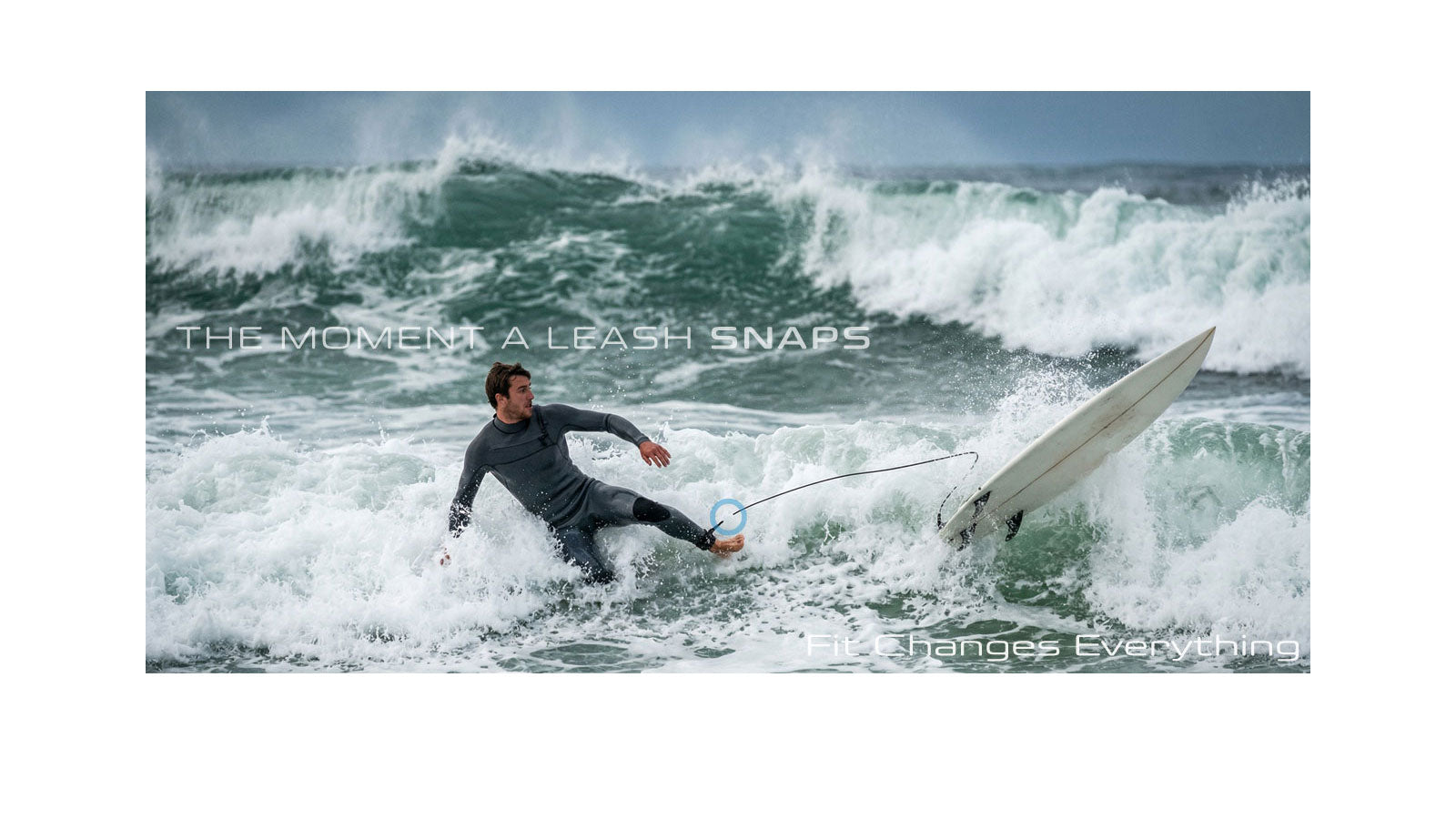
A surfer being pulled off balance in the surf as his surfboard leash reaches full extension under load, with the text "The Moment a Leash Snaps" above and "Fit Changes Everything" below overlaid on the image

Why Surfboard Leashes Fail Under Load and Snap
When a surfboard leash fails, it rarely happens gradually. It happens in a single moment under load, often when you need it most. One second, you are connected to your board; the next, you are watching it pulled away by...

Read moreabout Why Surfboard Leashes Fail Under Load and Snap

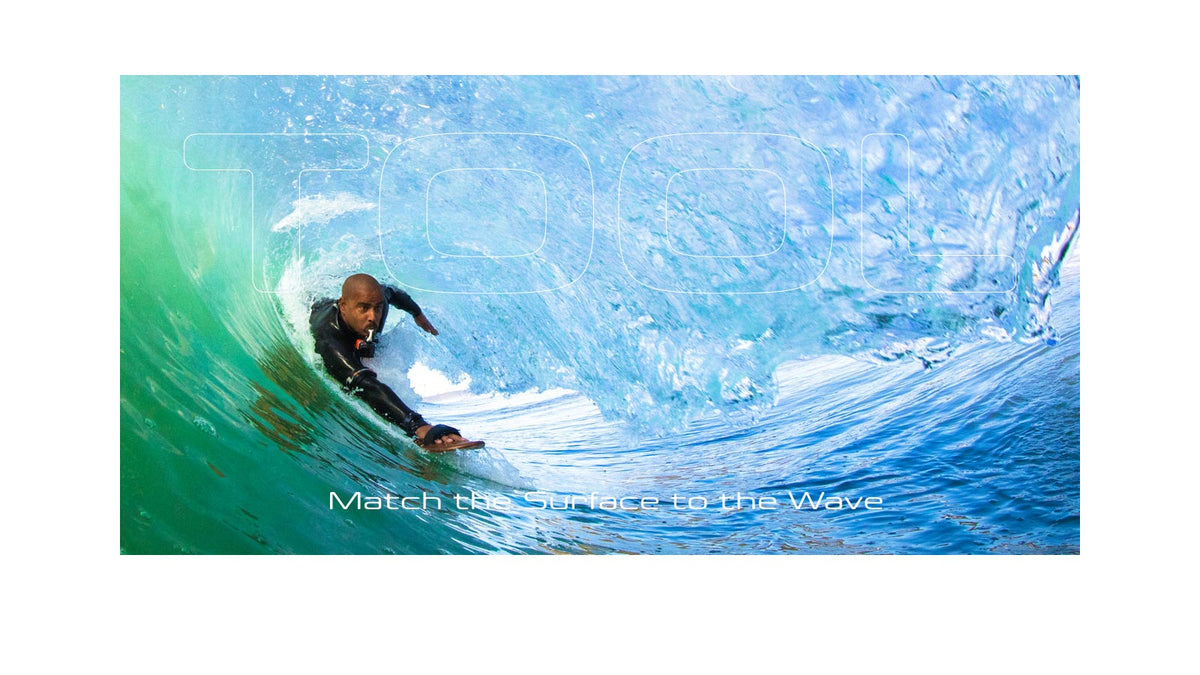
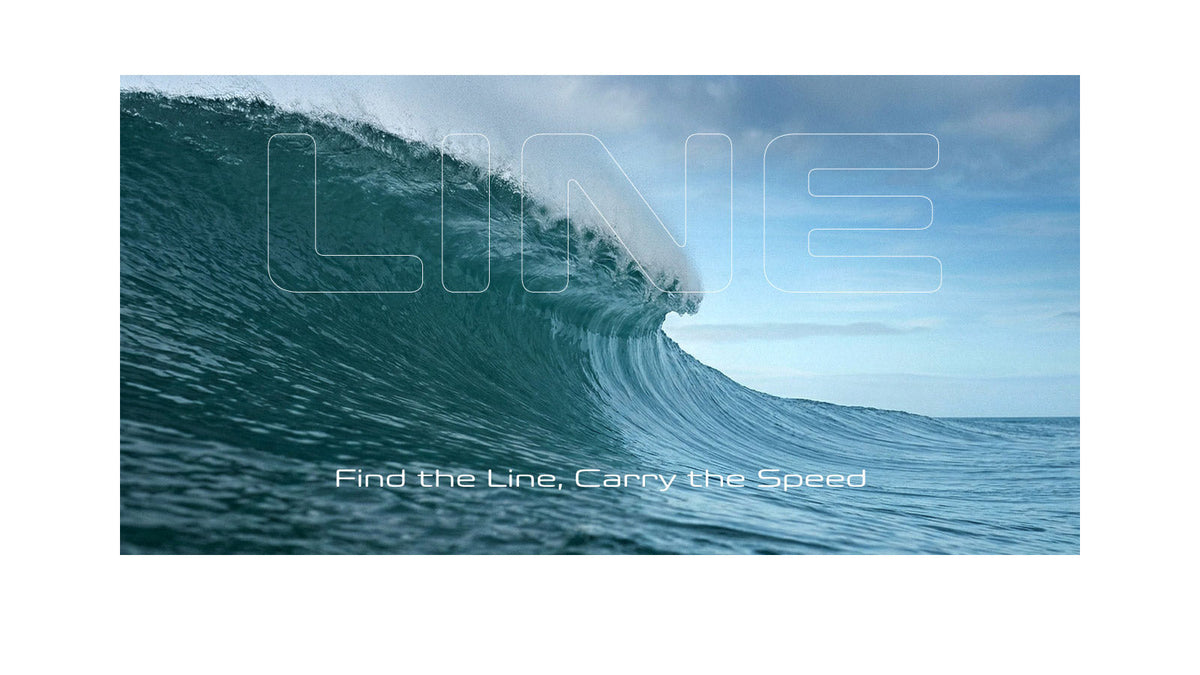
A breaking ocean wave with white water on the left and a clean open face on the right, with the word "WAVE" overlaid in large outline lettering and the text "Wave Type Sets the Opportunity" below

How Different Wave Types Affect Bodysurfing Speed
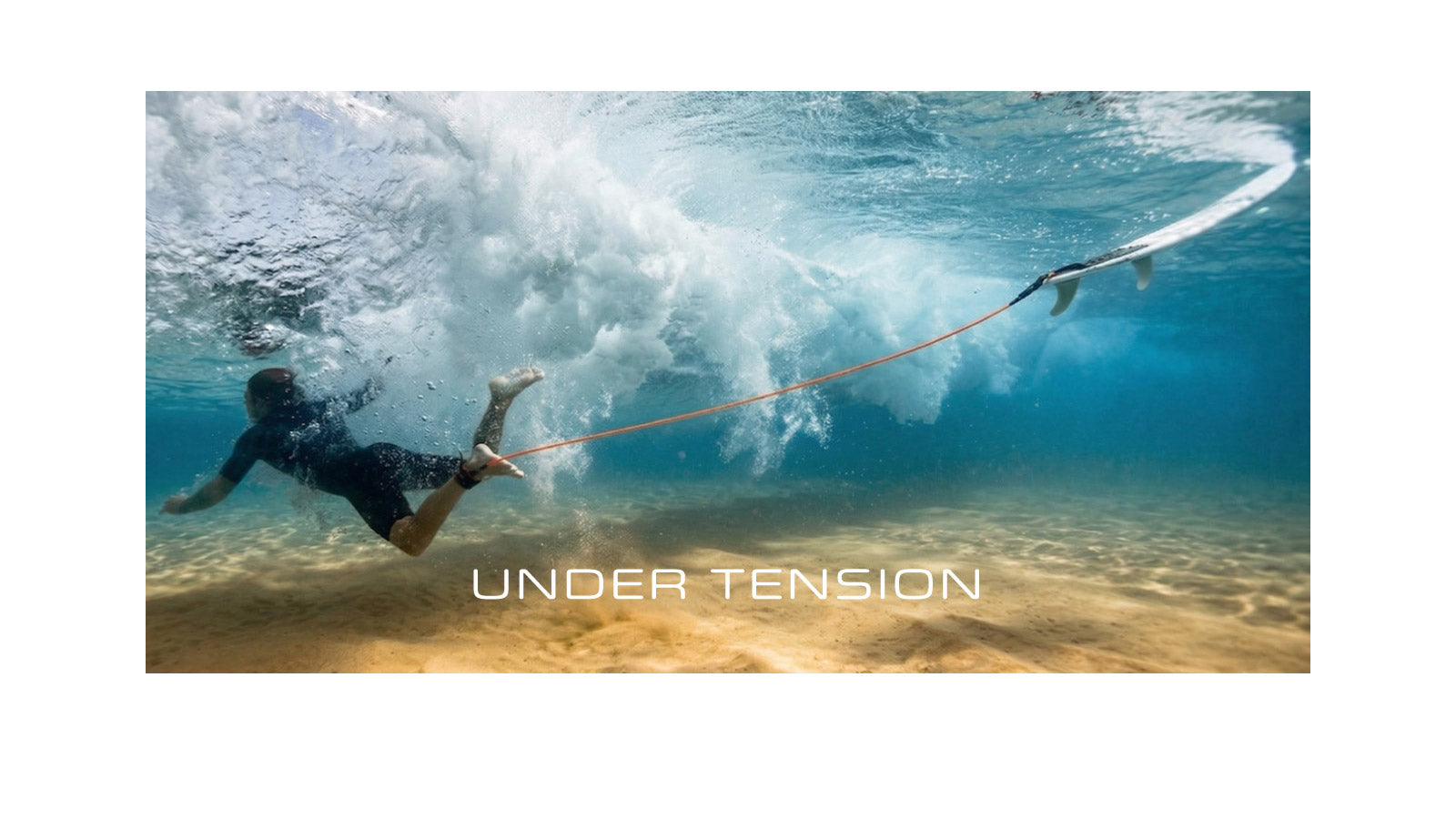
Not all waves move the same. Understanding the ocean terrain is the first step toward mastering the line. A small, steep shore break can feel faster than a larger, slower-moving swell. The difference is not just size. It comes down...

Read moreabout How Different Wave Types Affect Bodysurfing Speed

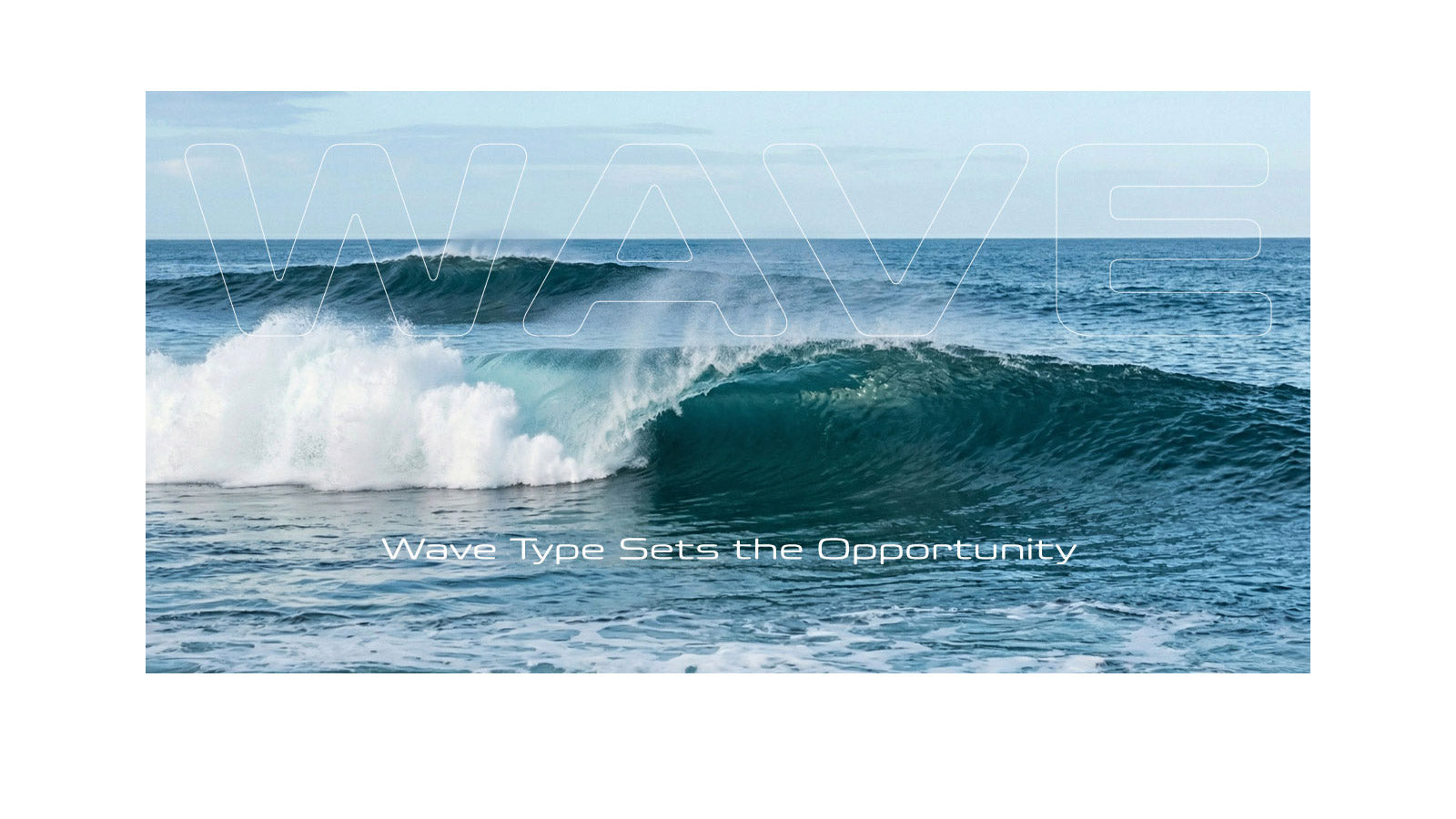
Underwater view of a surfer being pulled along the sandy seabed by a stretched orange surfboard leash connected to a board above the surface during a wipeout, with the text "Under Tension" overlaid on the image

How Surfboard Leash Stretch Affects Control and Safety
A surfboard leash does more than keep you connected to your board. Under load, it stretches, stores energy, and releases it back into the system. When this happens smoothly, it absorbs force and helps maintain control. When it does not,...

Read moreabout How Surfboard Leash Stretch Affects Control and Safety

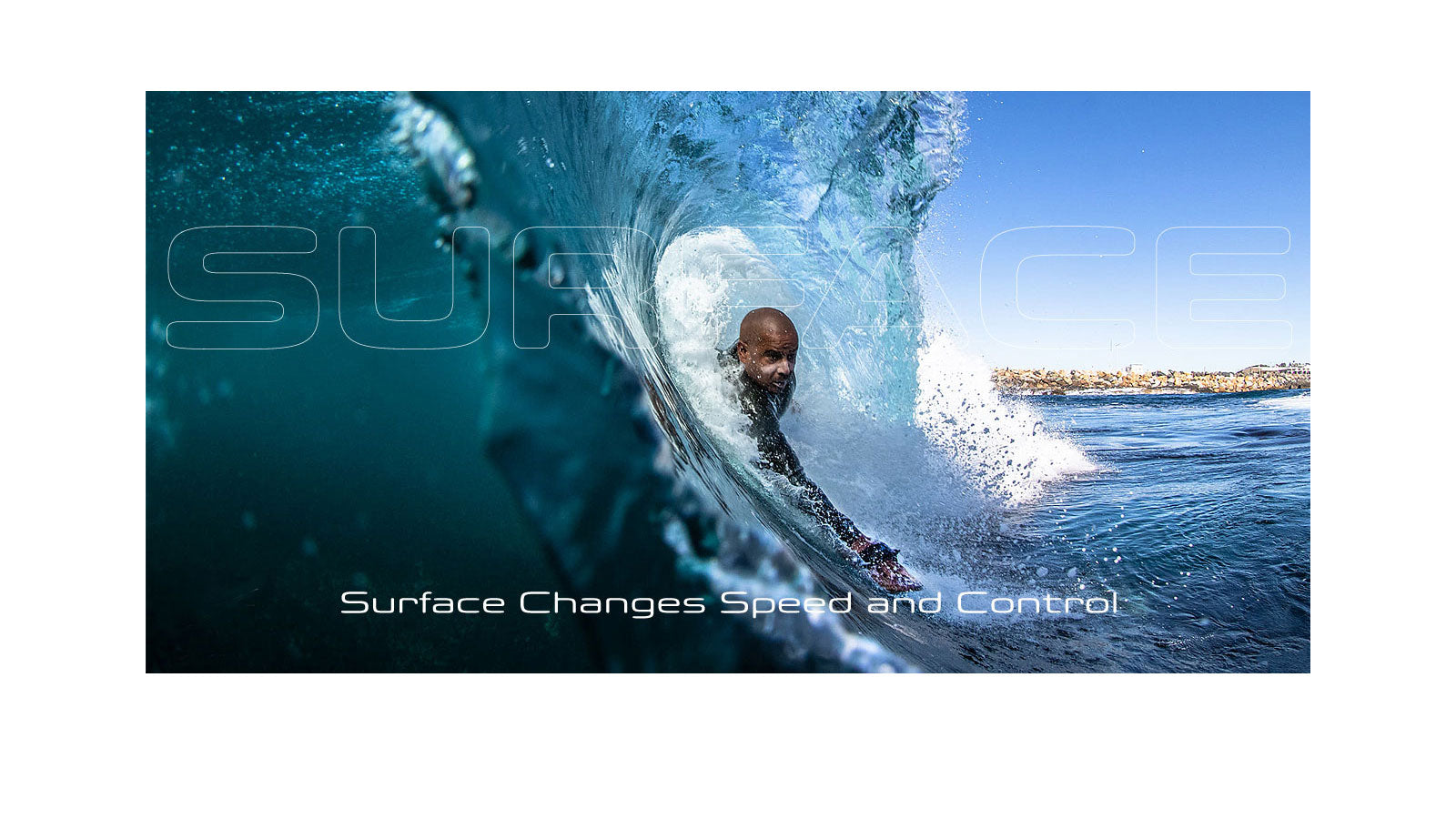
A bodysurfer riding deep inside a large hollow wave near a rock break wall, with the word "SURFACE" overlaid in large outline lettering and the text "Surface Changes Speed and Control" below

Hands vs Handboards - What Changes and What Doesn’t
There is a common belief in bodysurfing that the handboard is what creates speed. That once you introduce a board, everything changes. The reality is different. The handboard does not replace the hand. It extends what the hand already does....

Read moreabout Hands vs Handboards - What Changes and What Doesn’t

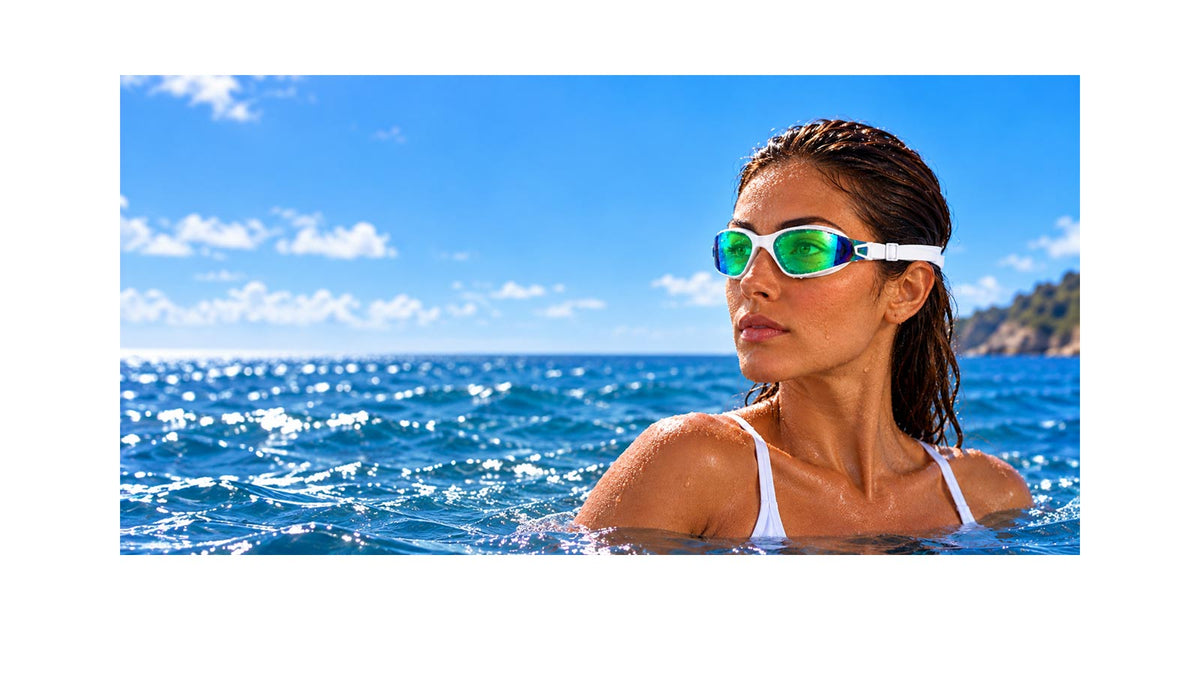
Close-up of a female swimmer at the water's edge wearing black swim goggles with gold mirror lenses, with water droplets on her face and the text "Fit Changes Everything" overlaid in the lower right corner

How to Choose Swim Goggles for Your Face Shape
Achieving a reliable seal in the water is not a matter of luck or strap tension. It results from anatomical alignment. When swim goggles match your face shape, they provide a watertight seal with minimal pressure, allowing you to focus...

Read moreabout How to Choose Swim Goggles for Your Face Shape

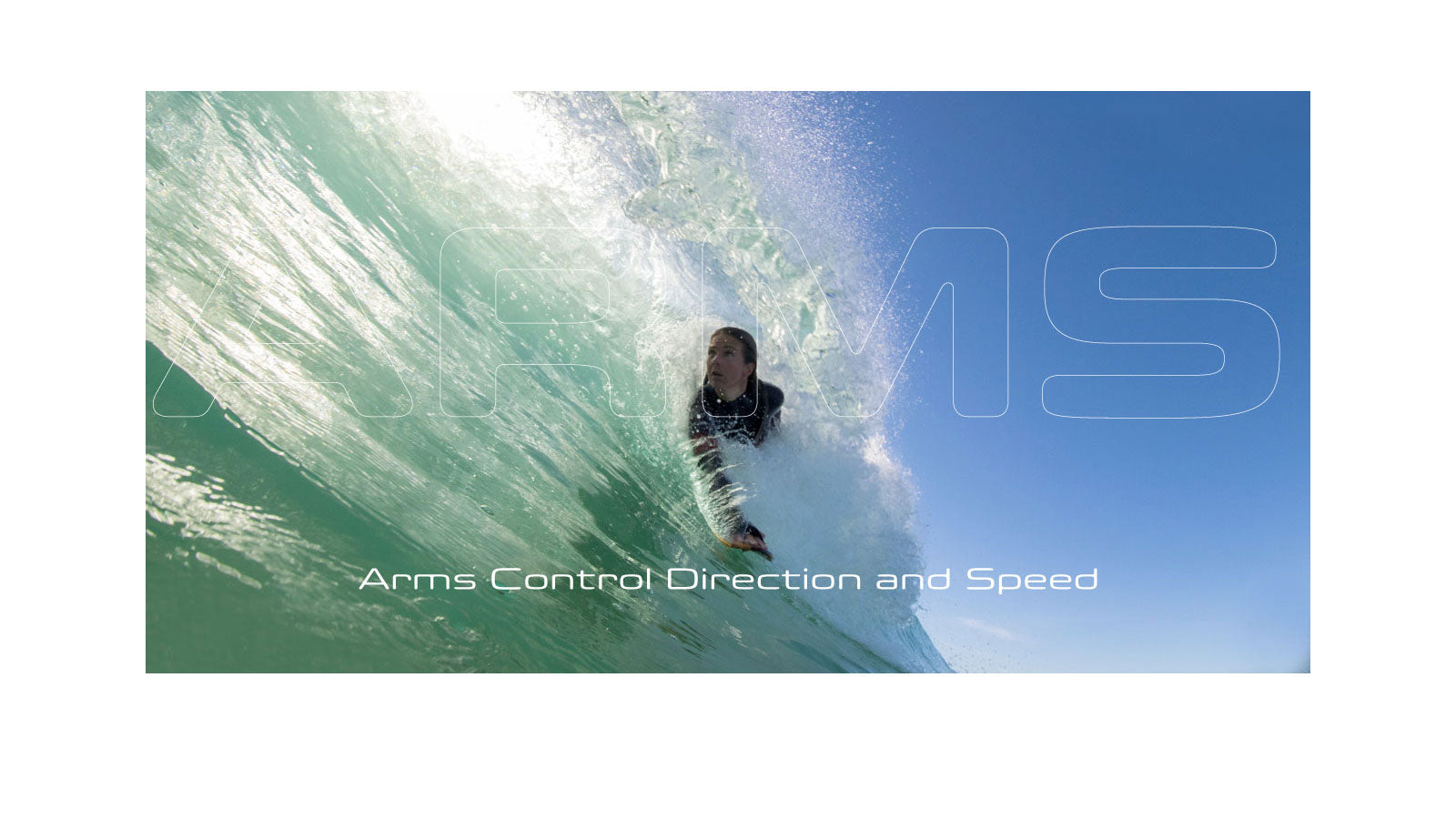
A bodysurfer riding along the face of a green wave with arms extended, with the caption "Arms Control Direction and Speed" overlaid on the image

How Your Arms Control Direction and Speed in Bodysurfing

Most people think of bodysurfing speed in terms of the wave, the fins, or the handboard. But your arms play a much bigger role than many riders realise. They do more than sit in the water. They help guide direction,...

Read moreabout How Your Arms Control Direction and Speed in Bodysurfing

Side-by-side comparison of swim goggles on a timber deck showing clear lenses with glare from bright sunlight on the left and mirror lenses with controlled light on the right, with open ocean in the background

Mirror vs Clear Swim Goggles - When Each Actually Works

Most people choose swim goggles based on how they look. The lens colour, the frame, the mirror finish. What matters more is whether the lens matches the light you are swimming in. The wrong lens does not fail immediately. It...

Read moreabout Mirror vs Clear Swim Goggles - When Each Actually Works

A bodysurfer riding inside a hollow wave shot from inside the tube looking out toward the beach, with the caption "Trim Controls Speed on the Wave" overlaid on the image

How Trim Controls Speed on a Wave

Most bodysurfers have felt it. You take off clean, the wave has energy, the line looks good, and for a moment, everything feels light and fast. Then the speed drops away. The board feels flatter, the body feels heavier, and...

Read moreabout How Trim Controls Speed on a Wave

Six POD AquaLuxe swim goggle lenses in a row on a grey background, showing clear, smoke, blue mirror, green mirror, gold mirror, and silver mirror options, with the caption "Match the lens to light, time in the water, and conditions"

How to Choose Swim Goggle Lenses for Light and Conditions

Why Lens Choice Matters in the Water Most people choose swim goggles based on colour. Clear, tinted, and mirrored lenses. What gets missed is why those lenses exist in the first place. Fit and seal matter. That part is solved....

Read moreabout How to Choose Swim Goggle Lenses for Light and Conditions