



The ocean is not a backdrop. It is the whole point.
Understand the Water is POD's editorial series for people who spend serious time in the water. Not beginners looking for a starting point, not casual observers. People who want to go deeper into the mechanics of wave riding, bodysurfing technique, swim fin selection, open water swimming, ear health, and the physics of what actually happens when a human body meets a moving body of water.
Every article in this series is written from direct experience. No academic framing. No generic advice recycled from elsewhere. The same standard applies to every POD product function first; nothing is added that does not serve a clear purpose. This standard applies to every piece of content published here.
The series covers five disciplines: bodysurfing, bodyboarding, surfing, swimming, and open water. New articles are published regularly.
Published regularly, accurate, honest, and never needing updating, regardless of when someone reads it.
Read what is relevant to your water. Come back when the next one drops.
Understand The Water
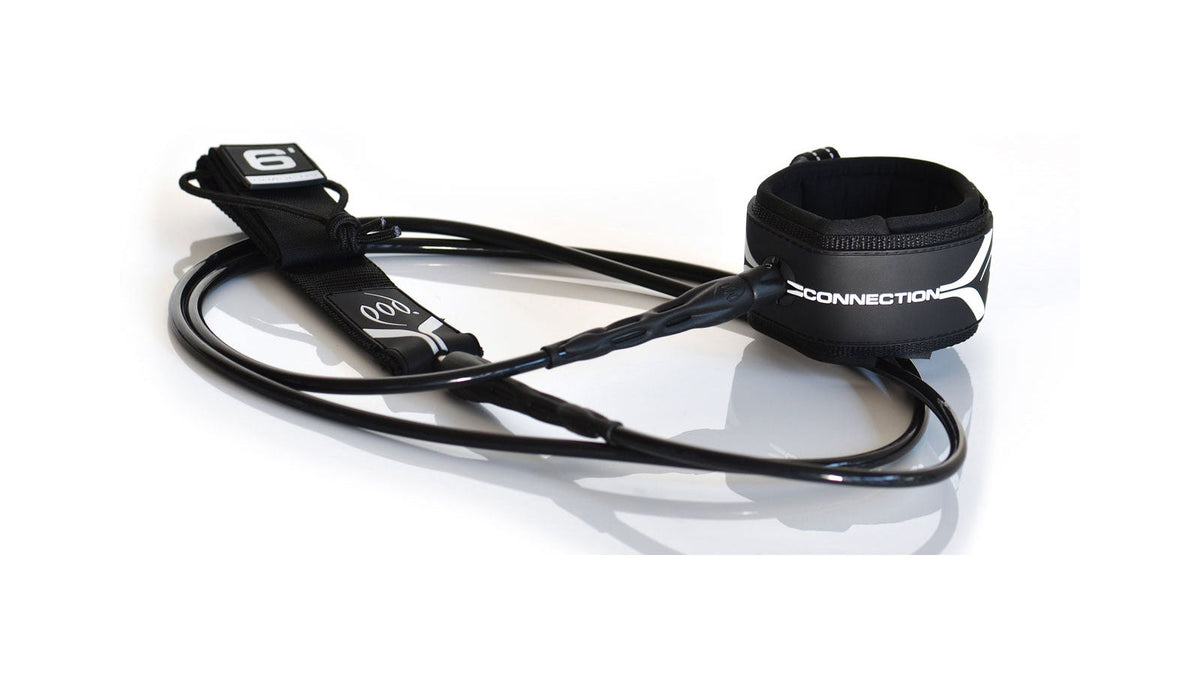
Surfboard Leash Size Guide - How to Choose and What to Avoid
Read moreabout Surfboard Leash Size Guide - How to Choose and What to Avoid
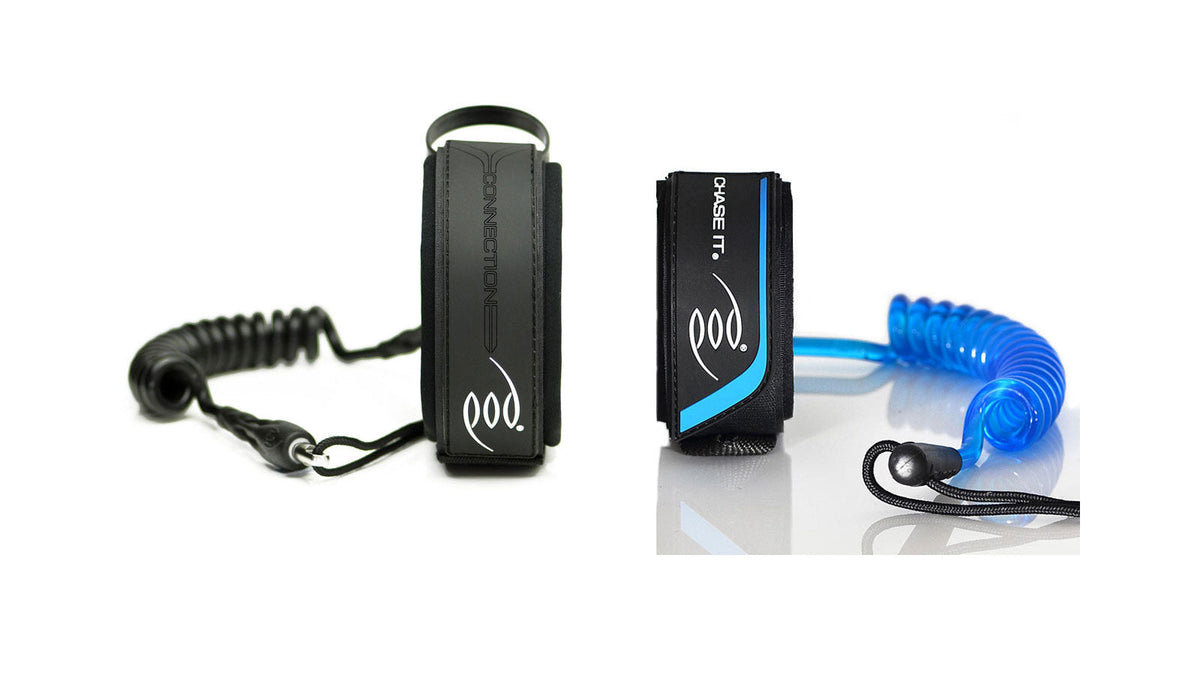
Bicep vs Wrist Bodyboard Leash - Which One Stays Out of Your Way
Read moreabout Bicep vs Wrist Bodyboard Leash - Which One Stays Out of Your Way
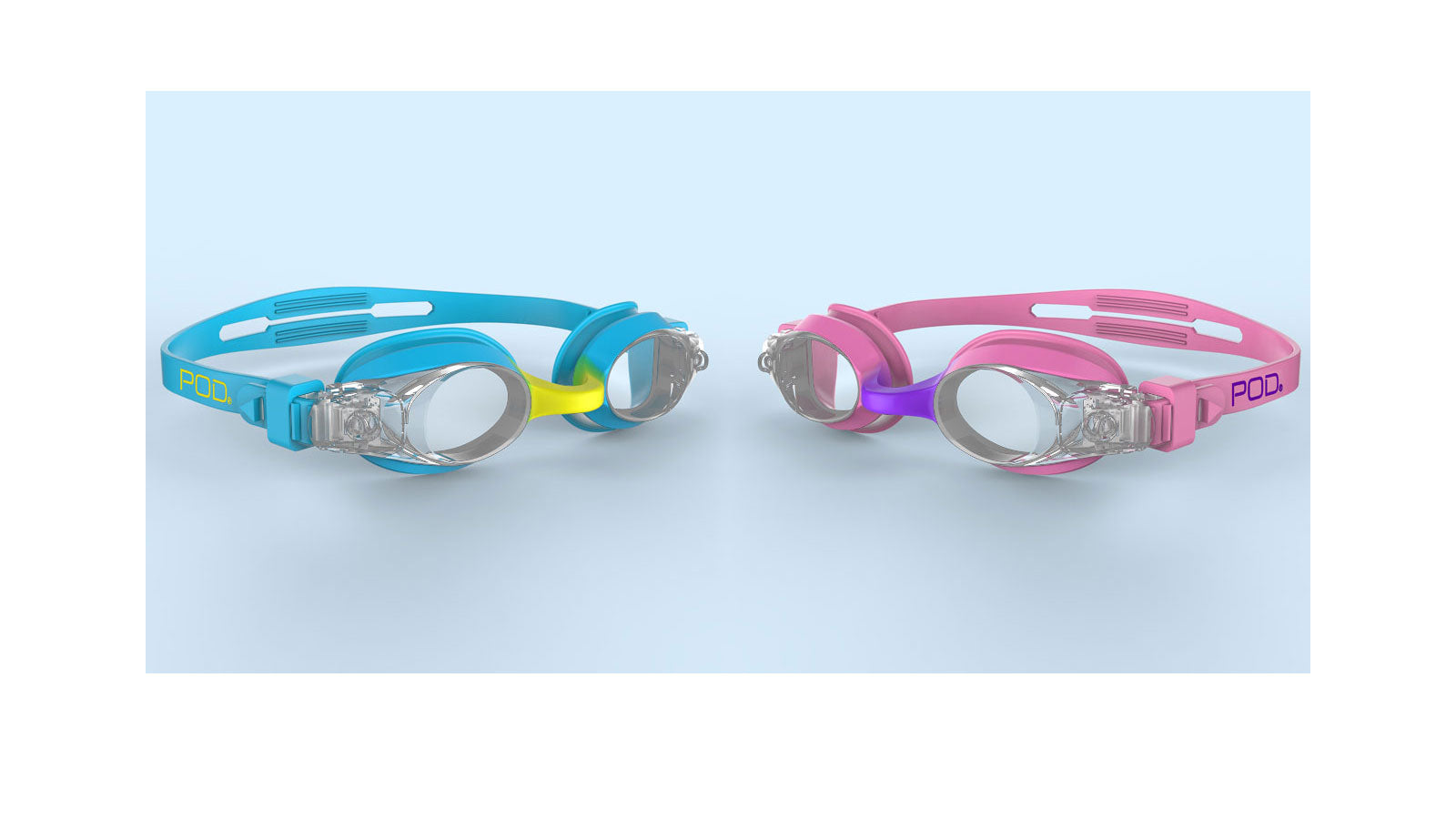
Swimming Goggles: Our Top Three Swim Goggles For Children
Read moreabout Swimming Goggles: Our Top Three Swim Goggles For Children
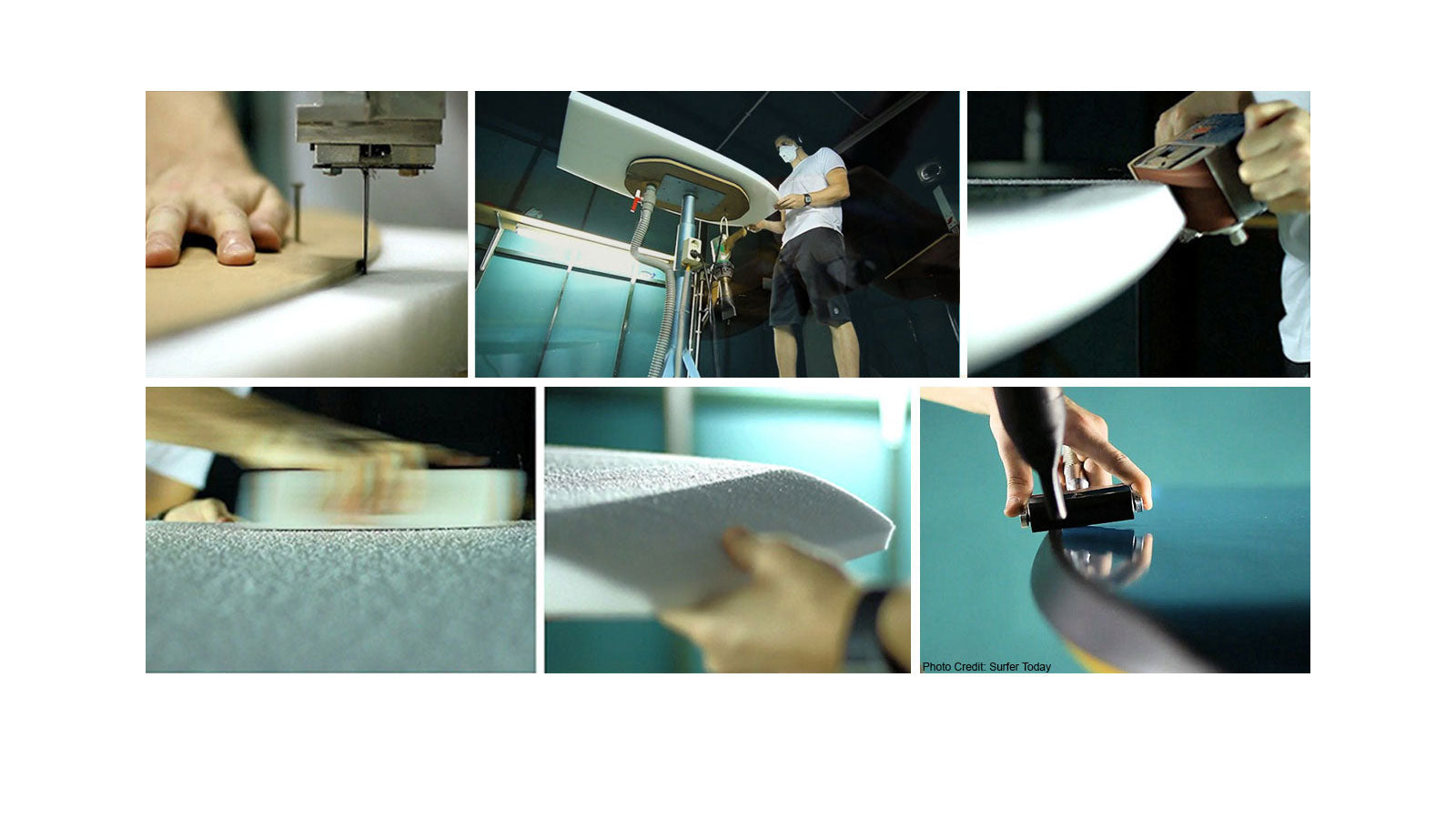
Bodyboards: Leave it to the Shaper POD Bodyboard Accessories
Read moreabout Bodyboards: Leave it to the Shaper POD Bodyboard Accessories

Which Is More Eco-Friendly: Polyurethane or Other Plastics?
Read moreabout Which Is More Eco-Friendly: Polyurethane or Other Plastics?
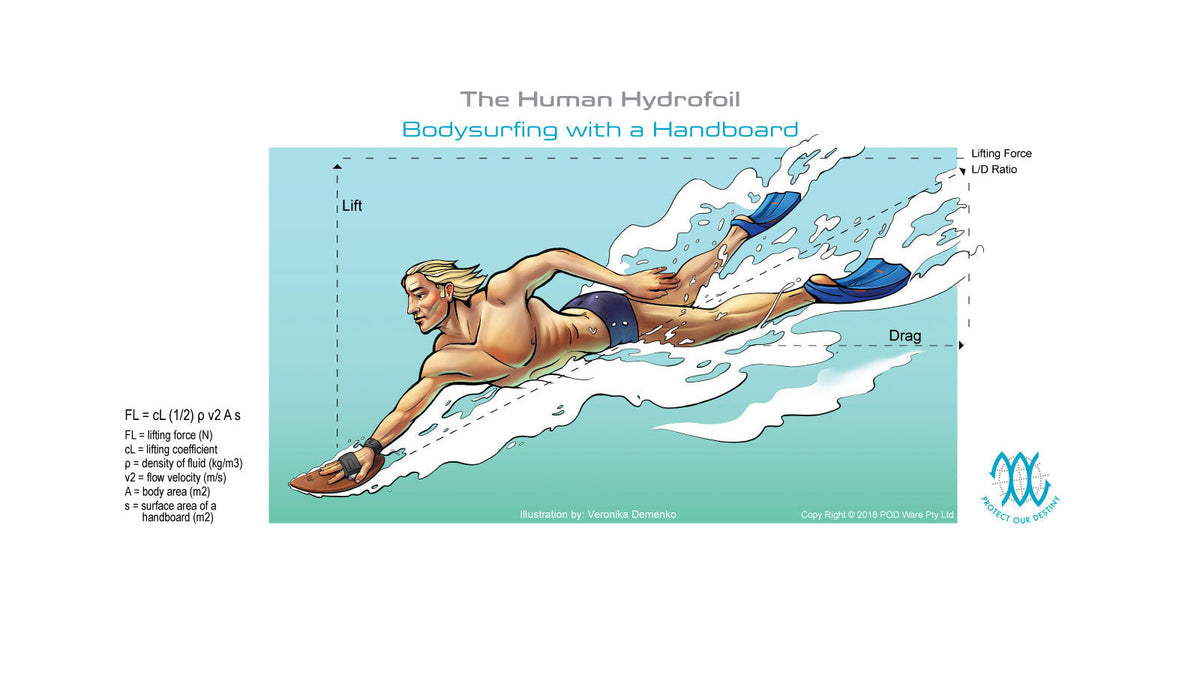
Bodysurfing Handboard Guide - Size, Shape, and How to Choose
Read moreabout Bodysurfing Handboard Guide - Size, Shape, and How to Choose

How to Body Surf Like A Pro: With Or Without A Handplane
Read moreabout How to Body Surf Like A Pro: With Or Without A Handplane

Swim Fin Fit and Comfort - Keeping Your Fins On and Lasting
Read moreabout Swim Fin Fit and Comfort - Keeping Your Fins On and Lasting
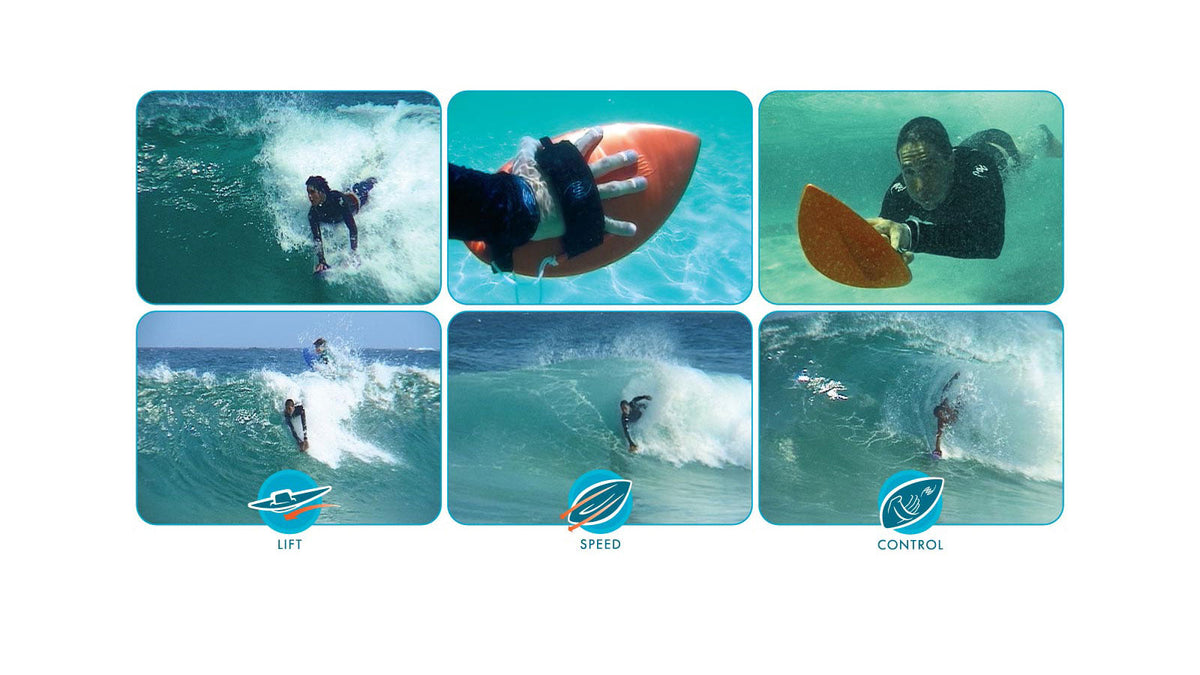
How to Bodysurf: Learn to Use a POD Body Surfing Handboard
Read moreabout How to Bodysurf: Learn to Use a POD Body Surfing Handboard