

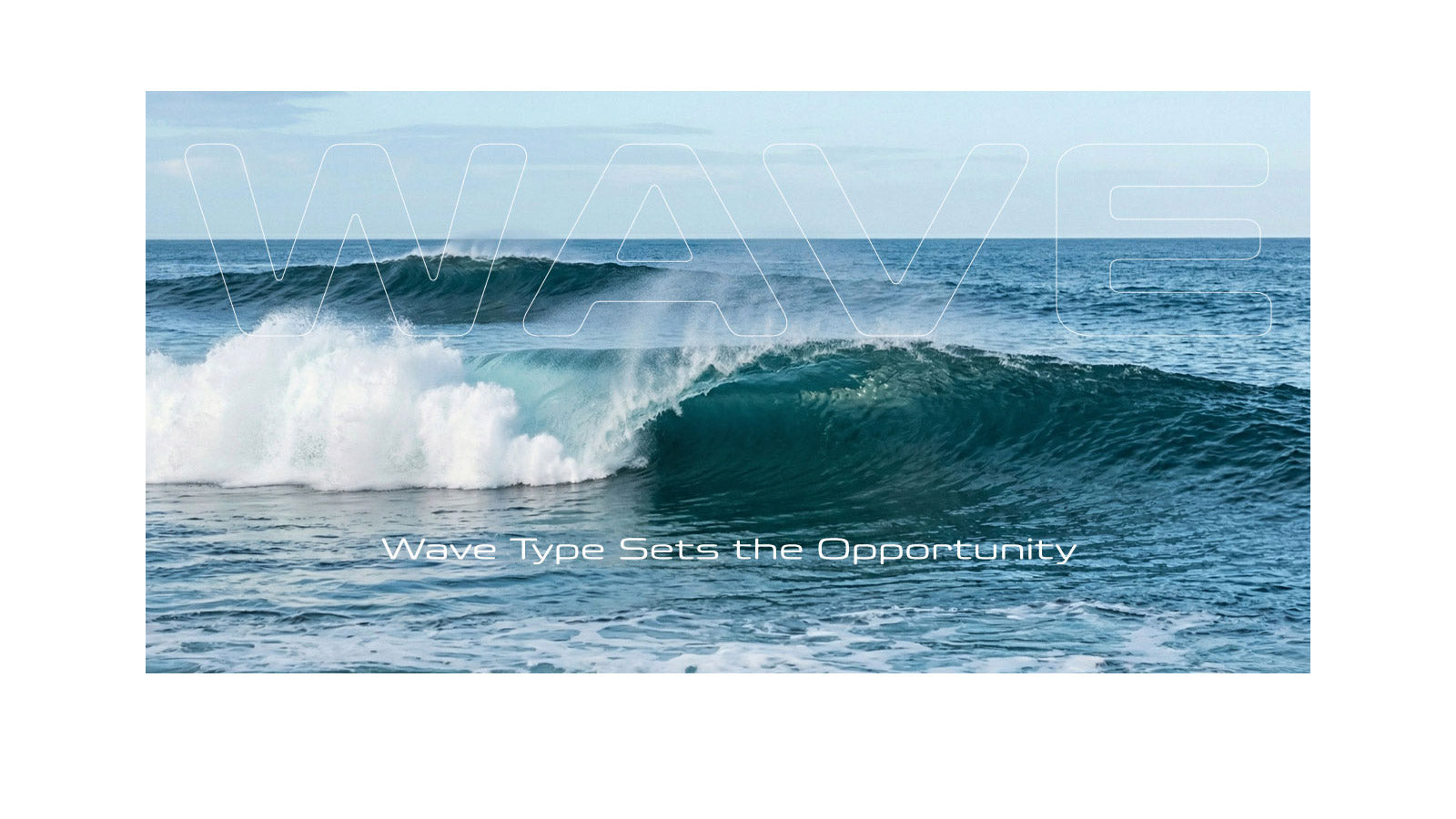
Not all waves move the same. Understanding the ocean terrain is the first step toward mastering the line.
A small, steep shore break can feel faster than a larger, slower-moving swell. The difference is not just size. It comes down to how the wave forms, how it breaks and how it carries energy across the face.
Understanding that changes how you approach the water.
Speed in bodysurfing does not come from the rider alone. It also comes from the type of wave you choose to ride. Different waves create different opportunities for speed, control, trim and line.
The system behind bodysurfing speed builds across this series. If you have not yet read Why Body Position Changes Speed in Bodysurfing, How Trim Controls Speed on a Wave, How Your Arms Control Direction and Speed, and Hands vs Handboards - What Changes and What Doesn't, those articles cover the foundation this one builds on.
Why Wave Type Matters
Every wave presents a different environment. To the untrained eye, it is just water. To the experienced bodysurfer, it is a specific speed profile.
Some waves stand up quickly, create steep, fast faces, and offer short sections with immediate acceleration. Others roll more gradually, create softer walls, and give you a longer window to connect and build speed.
These differences dictate how easily speed can be generated, carried, and controlled.
Wave type changes:
- How speed is generated
- How long can it be carried
- How much control the rider needs
- How cleanly the body can hold a line
The better you understand the wave in front of you, the better you understand what the ride will demand.
Wave Speed at a Glance
- Hollow / Steep - high, instant speed. Challenge: the critical drop. Strategy: minimise drag and hold your line early.
- Fat / Soft - lower speed. Challenge: staying in the pocket. Strategy: maximise trim and maintain glide.
- Fast Wall - fast, down-the-line speed. Challenge: outrunning the lip. Strategy: early entry and a clean high line.
- Slow Wall - slower but sustainable speed. Challenge: losing momentum. Strategy: active speed generation and constant adjustment.
The Three Main Things That Change Speed
Before breaking down wave types, it helps to simplify what actually changes from one wave to another.
1. Steepness
Steeper waves create a more immediate drop and acceleration. They force quicker decisions and reward riders who can connect early and hold a clean line.
Softer waves build speed more gradually. They give you more time, but they also demand better trim and body position to keep moving.
2. Face Shape
A clean, defined face gives you something to work with. It supports line, speed and control.
A broken, bumpy or uneven face disrupts flow. It makes it harder to settle the body, harder to maintain trim, and easier to lose speed through drag or instability.
3. Energy Distribution
Some waves release energy quickly. They feel short, fast and powerful.
Others release energy over a longer distance. They feel slower, softer and more forgiving, but they still require good technique if you want to carry speed.
Hollow Waves vs Fat Waves
Hollow Waves
Hollow waves are steeper and faster. They draw water up more sharply, create a tighter pocket, and offer more speed over a shorter distance.
They reward:
- Early positioning
- Commitment on entry
- Clean body line
- Stable trim at speed
They punish hesitation. If your entry is late or your line is unstable, the section can outrun you or shut down before you settle into it.
This is why a smaller hollow wave can feel faster than a larger, softer one. The energy is concentrated, and speed builds quickly.
Fat Waves
Fat waves are softer and less steep. They offer less immediate acceleration and usually require more effort to stay connected to the moving part of the wave.
They reward:
- Efficient body position
- Subtle trim adjustments
- Patience and timing
- The ability to stay light and clean in the water
These waves may feel easier at first, but they expose drag quickly. If too much of the body sits flat in the water, speed fades away fast.
Fast Walls vs Slow Walls
Fast Walls
Fast walls move quickly down the line. They demand immediate alignment between body, trim and direction.
If you connect cleanly, speed feels effortless.
If you do not, the wave runs away from you.
Fast walls reward riders who recognise the line early and commit to it without wasted movement.
Slow Walls
Slow walls give you more time to settle and adjust. They can feel more forgiving, but they still require active awareness.
These waves often teach more than they impress.
They reveal:
- How much drag you create
- How well you trim
- How cleanly you hold a line
- How effectively you carry speed without relying on the wave to do everything for you
Steep Entries vs Soft Entries
Wave type is not just about the wall. Entry matters too.
A steep entry gives you instant acceleration, but only if you are in the right place and commit early enough to take advantage of it. It sets the line quickly and leaves less room for hesitation.
A softer entry gives you more time, but it asks more from your positioning and trim if you want to build speed and stay with the section.
One wave gives speed quickly. The other asks you to create more of it through efficiency.
Why the Same Rider Can Feel Different on Different Waves
The same rider can feel fast, clean and connected on one wave, then heavy, late and overworked on another.
That is not always about skill alone. Often, it comes down to whether the wave type matches the rider's line, timing and level of control.
Some riders naturally come alive in hollow sections. Others read softer walls better and know how to keep them moving. The wave changes the demands, and the rider has to respond to those demands in real time.
What This Means in the Water
Choosing the right wave is part of bodysurfing speed.
You are not just choosing whether to go or not. You are choosing:
- What kind of speed does the wave offer
- How early you need to connect
- How clean your body line must be
- How much control the section will demand
The more clearly you see the wave, the more clearly you understand what kind of ride is possible before you even enter it.
The First Step in the Speed Formula
Wave type is the terrain.
It sets the conditions for everything that follows. Before body position, before trim, before control, you need to understand what kind of face you are dealing with and how that wave wants to move.
That is the first step in speed. Not forcing one approach onto every wave, but recognising what the wave is offering and adjusting to it.
The Wave Sets the Terms. You Respond.
Different wave types create different opportunities for speed. Some give it quickly. Some ask you to build and protect it. Some reward commitment. Some reward efficiency.
The better you understand wave type, the better you understand what the ride will demand before you even leave the sand.
Speed still comes from body + trim + control + surface.
The wave tells you what is possible. Your body decides what happens next.
Share:
How Surfboard Leash Stretch Affects Control and Safety
Why Surfboard Leashes Fail Under Load and Snap