


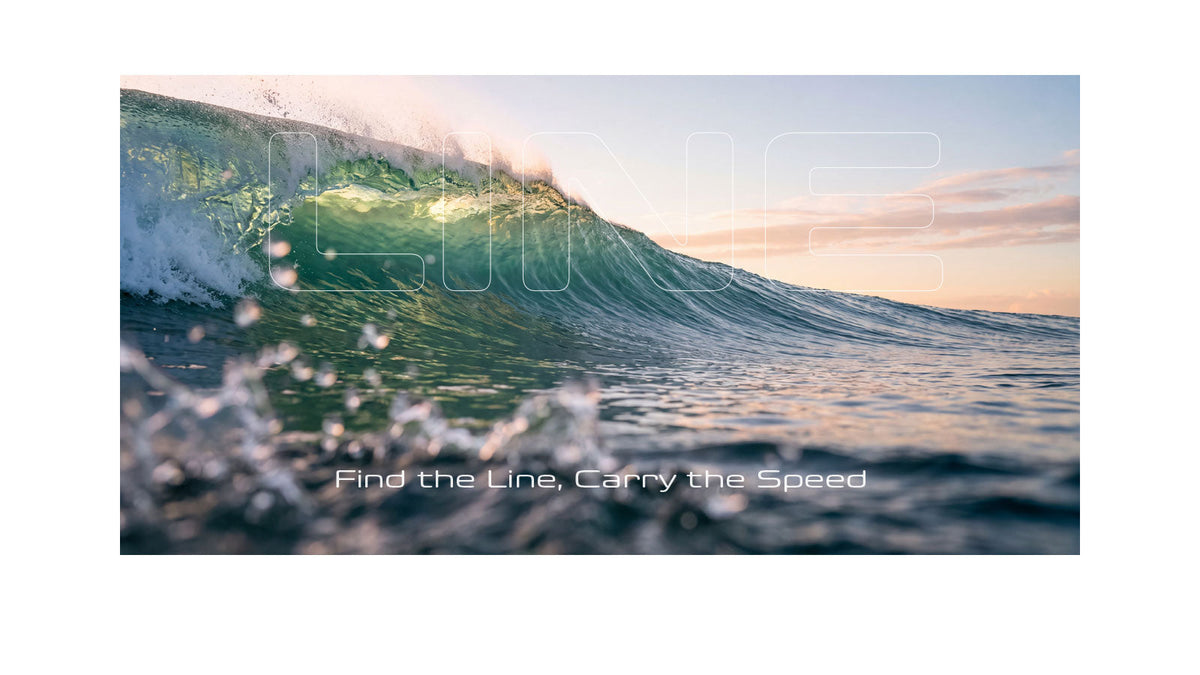
Reading the ocean is a skill of anticipation.
Speed doesn't come from reacting to what is happening. It comes from positioning for what is about to happen.
Understanding wave types is the first step. This is where the application begins.
To the average swimmer, a wave is a wall of water. To an experienced bodysurfer, it is a moving map of energy. Learning to read that map allows you to find the speed line before the wave even breaks.
Before body position, before trim, before control, you make a decision.
Where you enter, when you commit, and how you align with the wave in the first few seconds determine everything that follows.
Reading a wave is not guesswork. It is recognising where the energy is, where it is moving, and where the speed line will form.
This article is part of a series on bodysurfing speed. If you have not yet read Why Body Position Changes Speed in Bodysurfing, How Trim Controls Speed on a Wave, How Your Arms Control Direction and Speed, Hands vs Handboards - What Changes and What Doesn't, and How Different Wave Types Affect Bodysurfing Speed, those articles cover the system this one applies.
Why Reading the Wave Matters
Two riders can take off on the same wave and have completely different outcomes.
One connects early, finds the line and carries speed. The other hesitates, enters late or misreads the section and spends the ride trying to recover.
The difference is not always skill. It comes down to reading the wave correctly before committing.
Speed starts before you leave the sand.
Reading the Wave From the Shore
The best time to read a wave is before you enter the water.
Watch a few sets from the shore before paddling out. Look for where the peak consistently forms, which direction the wave tends to break, and how the sections run. A wave that breaks left most of the time will tell you where to position yourself before you even get wet.
Look at the water surface between sets, too. Small ripples, colour changes, and the way water draws back before a larger set arrives are all signals. Darker water often indicates depth and energy. A sudden flattening of the surface can signal a set approaching from outside.
These observations take seconds, but they change the quality of every entry that follows. The rider who reads from the shore arrives in the water with a plan. The rider who does not arrive and react.
The Three Seconds That Define the Ride
The first three seconds of a ride matter more than everything that follows.
- Position: where you enter relative to the peak
- Timing: when you commit to the movement of the wave
- Direction: how quickly you align with the line
If these three elements connect early, speed feels natural. If they do not, you spend the rest of the ride trying to catch up.
Identifying the Speed Line
Every wave has a path where speed lives.
The speed line isn't always the steepest part of the wave, or the safest. It is the section where energy moves cleanly across the face.
To find it, look for:
- the cleanest, most defined part of the face
- the section that is standing up, not collapsing
- the direction the wave is travelling, not just where it is breaking
The moment you see the line, everything changes. You stop reacting to the wave and start moving with it.
Positioning: Where You Enter
Where you enter the wave determines how quickly you can connect to the speed line.
Too far inside, and the wave can break on top of you. Too far outside, and you may miss the section entirely.
The goal is to position yourself where the wave is about to stand up, not where it has already broken.
That position gives you the best chance to connect early and carry speed from the start.
Timing: When You Commit
Timing is the difference between flowing with the wave and chasing it.
Commit too early, and you can end up in a weak section. Commit too late, and the wave moves past you before you settle into it.
Good timing feels like you are moving with the wave, not trying to catch it.
You are not forcing entry. You are matching its movement.
Direction: Aligning With the Line
Once you enter, direction becomes immediate.
The faster you align with the speed line, the easier it is to carry momentum.
Hesitation creates drag. Clean alignment creates flow.
Body position, trim and arm control take over from here - but only after you find the line.
Reading the Wave Mid-Ride
Reading the wave does not stop at entry. It continues through every section of the ride.
As the wave changes beneath you, the speed line shifts. A section that was clean a moment ago can close out, steepen or back off. The rider who keeps reading the wave adjusts in real time. The rider who stops reading it holds a fixed position and loses the line.
Mid-ride reading is where trim and arm control become the physical expression of what the eyes and instinct read. A good trim adjustment is almost always a response to something the rider saw coming before it arrived. The same applies to arm position: shifting the leading arm or bringing both arms forward often anticipates the next section rather than reacting to it.
Reading the wave mid-ride connects all parts of the system.
Reading Different Wave Types
Not all waves present the speed line in the same way.
- Hollow waves: the line appears quickly and moves fast. You need early commitment and precise positioning.
- Fat waves: the line develops more slowly. You need patience and efficient trim to stay connected.
- Fast walls: the line runs ahead of you. Immediate alignment is critical.
- Slow walls: the line gives you time, but you must create and maintain your own speed.
Understanding wave type helps you recognise where the line will form before it fully appears. For a full breakdown of how each wave type affects speed, read How Different Wave Types Affect Bodysurfing Speed.
Common Reading Mistakes
Most missed rides come from small reading wave errors.
- focusing only on where the wave is breaking, not where it is going
- entering too late and chasing the section
- hesitating instead of committing when the wave stands up
- choosing the wrong part of the wave to enter
- stopping to read mid-ride and holding a fixed position as the section changes
These are not major mistakes. They are small timing and positioning errors that affect everything that follows.
What This Means in the Water
Reading the wave is not separate from the rest of the system.
It lets the system work.
Once you recognise the line, body position becomes easier. Trim becomes more effective. Control becomes more natural.
Without the line, everything feels harder than it should.
Find the Line First. The Rest Follows.
Speed is not something you search for once you are on the wave. You recognise it before you enter it.
Find the line early, and the rest of the system has something to work with. Body position, trim, arm control, and surface all work better once you've found the line.
Speed still comes from body + trim + control + surface.
The next step is choosing the right surface to match the conditions you have learned to read. Not every wave suits the same approach, and not every board performs the same way across different conditions. Read How to Choose a Handboard Based on Conditions and Style to complete the series.
Master the read, and you stop chasing waves. You start intercepting them.
Share:
Why Surfboard Leashes Fail Under Load and Snap
Why Earplugs Fail in Surf and Open Water (What Actually Holds)