


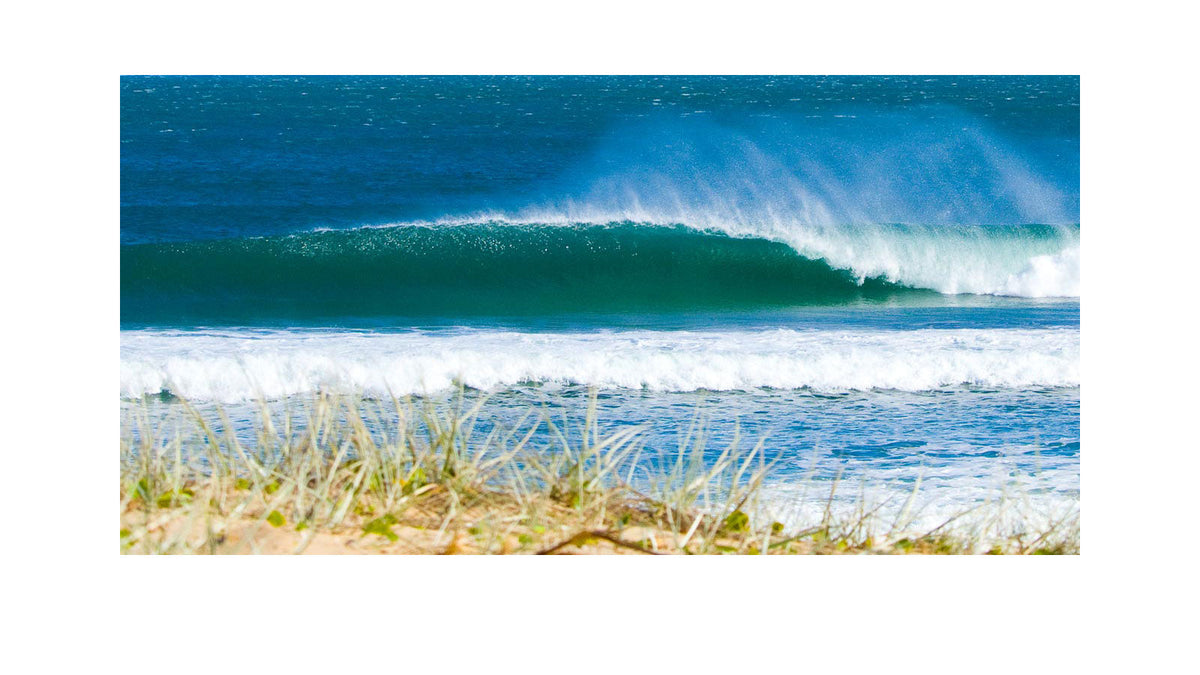
Bodysurfing is wave riding in its most direct form. Your body is the vehicle, the wave is the engine, and everything between those two things timing, position, and technique determines how the ride goes. Whether you ride freestyle with just your hands or use a handboard and swim fins, the fundamentals are the same. The wave does not change. What changes is how much surface area and lift you bring to the interaction.
This article covers wave selection, reading conditions, freestyle technique, and progressing from small beach breaks to open face wave riding. For handboard technique, read How to Bodysurf with a POD Handboard. For the mechanics of speed and body position, read How Movement Creates Speed in the Water.
Step 1 - Preparing to Bodysurf
Before entering the water, take five minutes to warm up. Shoulder circles, arm swings, and ankle mobility work prepare the joints and muscles used most in bodysurfing the shoulders, hips, and ankles particularly if you are using swim fins. While warming up, watch the surf. Find the best sandbank or break. Identify any rips before you enter the water.
For freestyle bodysurfing, you only need a pair of swim fins. Fins add surface to your feet, so each kick moves more water, and you can match the speed of waves that would otherwise move through without you. If you want more lift and directional control across the wave face, a handboard extends what your leading hand already does.
Step 2 - Reading Waves and Choosing the Right Break
Understanding wave behaviour before entering the water is as important as the technique you use once you are on a wave. Sit back and watch for several minutes before paddling out. What you look for determines where you position yourself and which waves you try to catch.

Look for waves that break left and right across a sandbank rather than closing out all at once across the full width of the break. A wave that pitches and peels gives you a wall to work with. A wave that closes out gives you nowhere to go.
Gentle sloping sandbanks allow you to swim out to the breaking waves without fighting heavy shore break. Steep sandbanks produce more powerful, faster breaking waves that demand more experience and stronger swimming to navigate safely.
- Beginners: stick to waves in the one to three-foot range. Avoid waves breaking too close to shore or over shallow sandbanks. Stay between the red and yellow flags on patrolled beaches. Note that hard material boards, including handboards, are not permitted between the flags on most Australian patrolled beaches - check local signage before entering
- Developing riders: once comfortable in small surf, move toward waves that pitch and break with more energy. Look for a sandbank that produces consistent left or right breaking waves rather than closeouts
- Experienced bodysurfers: beach breaks and reef breaks both become accessible as swimming strength, wave reading, and technique develop. The same principles apply at any size - timing, position, and trim determine the outcome
Step 3 - Bodysurfing Technique
In chest-deep water, push off the ocean floor as the wave reaches you. Once you feel the wave beginning to carry you forward, extend your leading hand in front of the wave and trim your body across the face - either chest down or rotated to your side, depending on how the wave is breaking.

The experienced bodysurfer positions their body in a one-arm push-up position on the wave face. The handboard and swim fins are the only elements in contact with the water surface. You control speed and trim through the handboard. Tilt it forward, pressing the front down slightly, and the board planes faster and projects you across the face. Tilt it back, lifting the front so the tail drags, and the board slows, which holds your position in hollow sections. Cutting the outside rail of the handboard into the wave face drives the board up the face or holds the line on steep sections.

Reading and Riding the Wave Face
Once you've established the basics, the next step is riding the wall of the wave as long as possible, trimming diagonally left or right across the face rather than riding straight toward shore. This lateral movement across the wave face is where bodysurfing becomes a genuine skill rather than a straightforward push toward the beach.
As technique and wave reading improve, the progression moves toward hollow waves and tube riding - positioning the body inside the breaking section of the wave and holding that position as the lip pitches over. The handboard's ability to stall speed by tilting the trailing edge back into the wave is the primary tool for holding tube position without outrunning the breaking section.
The Dolphin Takeoff
One of the most technically demanding bodysurfing entries - and one of the most rewarding when timed correctly. As the wave is about to break, submerge to the sandbank below and drive off the bottom with both swim fins. Direct the handboard and body upward through the wall of the wave as it pitches. When timed correctly, the rider pierces through the wave face. It emerges on the open face, already in position, with forward momentum established from the fin drive off the bottom.
In Deeper Water
Where waves break further out from shore, and the water is deeper, swim fins become necessary rather than optional. Fins let each kick move more water, so the rider can reach waves that would otherwise break before they arrive. A handboard also assists the swimming stroke in deeper water; used during the catch phase of each stroke, it adds surface area, increasing forward momentum through the water and helping the rider return through the wave zone more efficiently after each ride.
Exiting the Wave
Two methods work consistently for clean wave exits.
Point the nose of the handboard, or your leading hand, into the wave face and drive back through the wall into deeper water. This disengages you from the wave's energy and returns you to the water behind the break.
At the end of a wave, use the remaining forward speed to lift the body up and over the lip as the wave closes out. Experienced bodysurfers can extend this exit into a 360-degree rotation on the stomach as the wave dissipates - the same finishing movement a bodyboarder makes on a bodyboard at the end of a ride.
Questions About Catching and Riding a Wave
How do you catch a wave when bodysurfing?
Start swimming towards the beach just before the wave reaches you, so you're already moving when it lifts you. Take two or three hard strokes, kick through the lift, then put your head down as you feel the wave take your weight. If the wave passes under you, you started too late. If it breaks on top of you, sit a little further out for the next one.
What body position should you hold on the wave?
Stretch your leading arm out in front and turn your body slightly towards the open face. Keep a straight, firm line from shoulder to fins, with your chest pressing lightly into the water and your head up enough to see where you're going. The straighter the line, the less drag, and the longer you hold the speed the wave gives you. For the mechanics behind it, read Why Body Position Changes Speed in Bodysurfing.
The Wave Is Waiting - Go and Chase It®
Bodysurfing rewards time in the water more than any amount of preparation on land. Wave reading improves with every session. Timing becomes instinct. The progression from small beach breaks to open face wave riding to tube riding follows naturally as swimming strength, ocean awareness, and technique develop together.
The equipment is minimal. The learning curve is real but accessible. And the connection to the ocean that bodysurfing creates, with or without a handboard, keeps people coming back for decades.
For handboard technique, read How to Bodysurf with a POD Handboard. For the mechanics of body position and speed across wave conditions, read Bodysurfing With or Without a Board - What Actually Makes the Difference and How Movement Creates Speed in the Water. For help choosing the right handboard size, shape, and material for your conditions, read Bodysurfing Handboard Guide - Size, Shape, and How to Choose.
Explore the full range of POD Bodysurfing Handboards and POD Bodysurfing Swim Fins.
Share:
How to Choose Water Sports Rubber Swim Fins
Bodysurfing Handboard Guide - Size, Shape, and How to Choose