

How the Same Mechanics Apply Across Different Conditions
How speed works in the water does not change. Body position, movement, drag, and control still apply.
What changes is how you apply those principles.
Different water environments and equipment shift the emphasis, but the underlying system remains the same.
The mechanics do not change. Only the way they are applied.
Swimming - Controlled Water
Swimming typically takes place in still or controlled water, where conditions remain consistent.
This environment allows you to focus on body position, alignment, and movement without external disruption. Small adjustments in technique lead to predictable changes in speed and efficiency.
Control comes from maintaining a stable body line and consistent movement. You can refine timing and rhythm without interference from the environment.
In this setting, efficiency is the primary focus. Reducing drag and maintaining consistent movement leads to steady, controlled speed.
In controlled water, consistency and efficiency define movement.
Bodysurfing - Moving Water
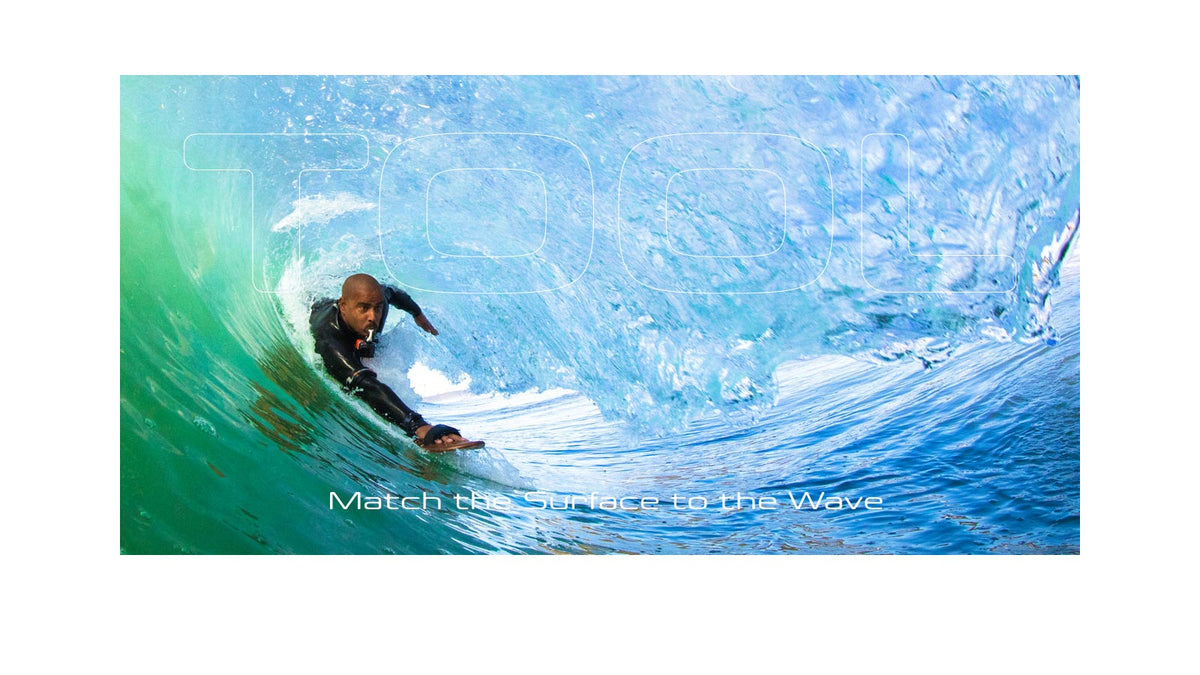
Bodysurfing takes place in moving water, where waves introduce energy, turbulence, and changing conditions.
The same principles apply, but you adapt them in real time. You adjust body position and movement to match the wave's shape and speed.
Speed is no longer generated only by your movement. It also comes from how well you position yourself within the moving water.
Control becomes more dynamic. Small changes in alignment or timing are exposed quickly, and maintaining position becomes more demanding.
In this environment, movement and positioning must stay connected to the water around you.
In moving water, control depends on how well you adapt to changing conditions.
Bodyboarding - Supported Movement
Bodyboarding introduces a board into the system, which changes how movement is applied.
The board provides lift and support, keeping the body higher on the water. The added lift reduces the demand on body position but increases the importance of control and timing.
Movement still matters, but it works alongside the board rather than acting alone. The focus shifts toward maintaining position on the wave and controlling direction.
Fins continue to support movement, but their role shifts more toward maintaining speed and positioning than generating it.
With a board, the board supports movement, but control and positioning remain essential.
Can I use the same fins for swimming, bodysurfing and bodyboarding?
One pair can cover all three, but each sport asks something different of the fin. Swimming rewards a fin you can kick comfortably for a long time. Bodysurfing and bodyboarding need a fin that holds in the wave face and stays on through a wipeout. How to Choose the Right Swim Fin and Why matches the PF1, PF2 and PF3 to each.
Bringing It Together
The same system applies across swimming, bodysurfing, and bodyboarding. Body position, movement, drag, and control always determine how speed is created and maintained.
What changes is the environment and how those elements are applied.
In still water, movement can be controlled and refined. In moving water, it must adapt. With a board, movement is supported but still requires control.
The mechanics do not change. Only the way they are applied.
To understand how fins support position and stability in the water, read How Swim Fins Affect Position and Stability.
Next, read How to Choose the Right Swim Fin and Why to match fin design to how you move in the water.
Share:
How Swim Fins Affect Position and Stability
How to Choose the Right Swim Fin and Why