


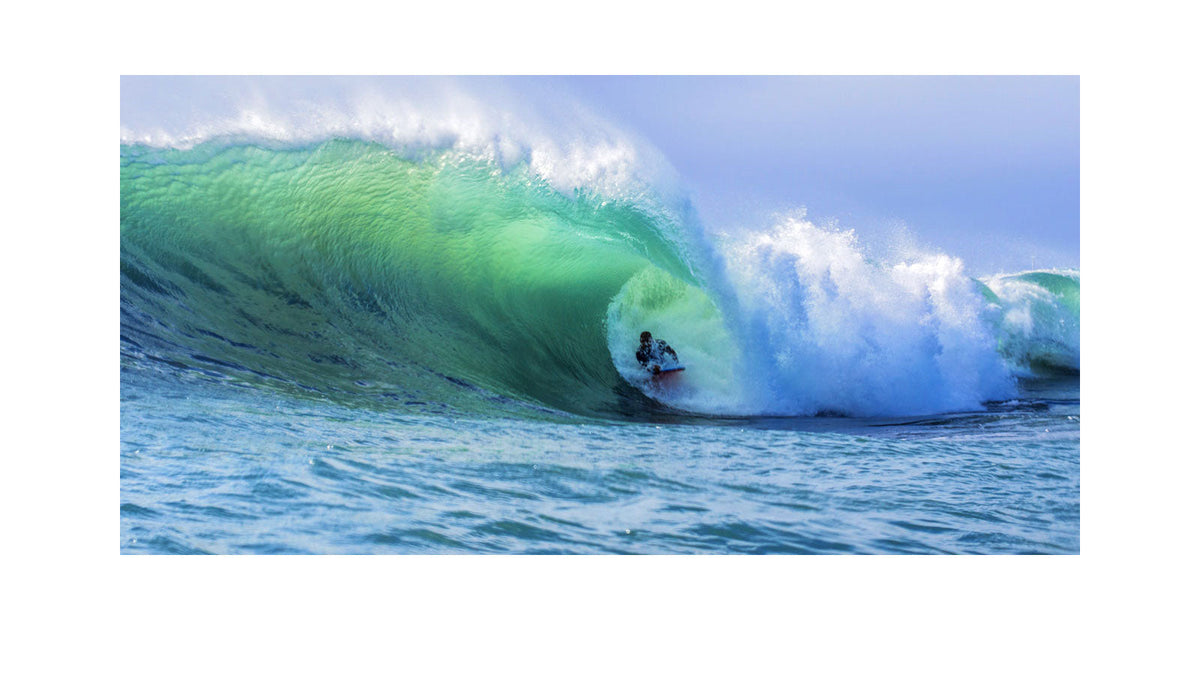
The Essential Guide to the Australian Beach Lifestyle
Bodyboarding is one of the most accessible and enjoyable ways to experience Australia's coastline. Whether you are a first-time beachgoer, an overseas visitor, or someone looking to build ocean confidence, bodyboarding offers a genuine connection to the water. It is a sport for all ages and experience levels, from kids catching their first whitewash to adults discovering the ocean for the first time.
From patrolled beaches to remote stretches of golden sand, Australia offers conditions for every rider. This guide covers everything you need to choose the right gear, read beach signs, stay sun-safe, and understand ocean conditions, so you can ride with confidence from your first session.
Why Bodyboarding Is the Perfect Way to Experience Australia's Coast
Bodyboarding gives you a direct connection to the ocean. You do not need years of experience, expensive equipment, or elite fitness. With the right board size, rubber swim fins, and a bodyboard leash, anyone from kids to adults can enjoy catching waves in a single session.
It is also a strong introduction to ocean awareness. You learn how waves work, how tides move, and how to navigate the beach environment safely. For travellers, families, and new ocean-goers, bodyboarding offers an engaging way to connect with the water without diving straight into advanced surf sports.
Choosing the Right Bodyboard
The right board size affects how well you float, steer, and catch waves.
When choosing a board consider
- Rider height and weight: A board that is too small sinks and slows you down. One that is too large becomes difficult to manoeuvre and steer.
- Your experience level: Beginners generally do better on boards with more volume and stability.
- Core material and durability: Look for strong cores such as EPS, PE, or PP, durable rails, and a smooth slick bottom surface for consistent speed. A well-shaped board responds better and lasts longer.
- Deck grip and comfort: A comfortable deck keeps you stable when paddling and turning. Surfboard wax can also improve hand grip on the deck.
For beginners or riders on a summer holiday, a durable and buoyant board suits most conditions. More experienced riders may prefer stiffer boards with performance tail shapes for sharper turning and speed.
Bodyboard Size Guide
Size by weight first, then height. Weight decides how well the board floats you, and float decides how easily you catch waves. For a quick check, stand the board on its tail in front of you. The nose should reach about your navel.
| Board | Rider height | Rider weight |
|---|---|---|
| 33" | Under 140 cm | Under 38 kg |
| 36" | 140 to 155 cm | Up to 45 kg |
| 38" | 145 to 160 cm | 30 to 54 kg |
| 39" | 155 to 163 cm | 40 to 60 kg |
| 40" | 160 to 170 cm | 50 to 65 kg |
| 41" | 168 to 175 cm | 57 to 75 kg |
| 42" | 175 to 183 cm | 66 to 85 kg |
| 43" | 183 to 191 cm | 77 to 100 kg |
| 44" | 188 to 196 cm | 82 to 110 kg |
| 45" and up | Over 191 cm | Over 90 kg |
These ranges average the size charts published by bodyboard brands and specialist retailers. If you fall between two sizes, beginners and heavier riders should size up. Experienced riders who want more control often size down or go half a size down.
Why Swim Fins Matter More Than You Think
Your legs drive a bodyboard. Fins add blade area to each kick, so the same leg movement moves more water and pushes you forward harder. That extra push helps you match the speed of a wave and get through whitewash. For newcomers, it often decides whether they struggle in the impact zone or start catching waves.
Look for fins that offer
- Comfort and fit: Snug but not painful. Neoprene fin socks help prevent rubbing and keep your fins securely in place across longer sessions.
- Balanced thrust: Power without overwhelming your legs, allowing relaxed, steady kicking throughout the session.
- Soft foot pockets with firm blades: Suited to longer sessions in variable Australian surf conditions.
- Security: Always use fin savers to keep your fins from getting lost in strong currents or powerful waves. Australian surf conditions can change quickly, and fin loss is a real risk without retention.
For tourists and casual riders, a comfortable all-round fin works across most conditions. More advanced riders may look for specific stiffness, blade shapes, or symmetric versus asymmetric designs depending on their riding technique.
Accessories and Leashes: Safety and Control
While your board and fins are the main focus, a few additions can make a meaningful difference to safety, comfort, and convenience, especially when travelling or spending full days at Australian beaches.
- Leashes: A leash is your connection to your board during wipeouts. It keeps the board attached so you can recover quickly and safely. Read the Bicep vs Wrist Bodyboard Leash guide to find the right fit for your riding style.
- Fin savers: These secure your swim fins and prevent loss in strong currents or after a heavy wave. A small detail that saves a lost fin and a shortened session.
- Waterproof backpacks: Useful for travellers and anyone spending a full day at the beach. A sealed waterproof bag keeps your phone, valuables, towel, and clothing dry while you are in the water.
Protecting Your Ears: Preventing Swimmer's Ear
Swimmer's ear is common in Australia's warm, sandy waters. Repeated duck dives and wipeouts trap moisture and sand in the ear canal, leading to irritation or infection. For some people, this never becomes an issue.
For others, it is enough to keep them out of the water for days or weeks.
The straightforward solution is proper watersports earplugs.
Good earplugs
- Prevent trapped water from becoming a problem
- Block sand and debris from entering the ear canal
- Keep your ears comfortable in cold or windy conditions
- Reduce the risk of recurring irritation across regular sessions
The POD EarSeal Pro Triple-Flange is built for watersports, providing a secure, comfortable seal with a durable neck bungee cord for easy handling between sessions. Ear protection is one of the most overlooked pieces of bodyboarding gear and one of the most useful for regular ocean users.
Sun Protection: Understanding the Options
Australia has among the highest UV levels in the world. Even on cool or cloudy days, sun exposure here can cause serious damage quickly. Sunscreen remains an important part of staying protected, though many beachgoers are increasingly aware of concerns about certain chemical ingredients and their effect on sensitive skin and coral ecosystems.
Regardless of where you stand on that question, physical coverage remains the most reliable form of sun protection. Rash guards, wetsuits, long-sleeve tops, and broad-brim hats provide consistent UV protection without relying on chemicals or reapplication. They also protect the shoulders, back, and chest, the areas most exposed when lying on a bodyboard.
Your face, neck, and hands still need a high-quality sunscreen; zinc-based or sensitive-skin formulas work well and hold up in water. Combining fabric-based UV protection with targeted sunscreen gives you the most reliable overall defence, particularly for families and travellers spending long days in the sun.
Tourists: Understanding Patrolled vs Unpatrolled Beaches
Australia's coastline is vast, beautiful, and incredibly diverse, but not all beaches are the same. Each has its own characteristics and changes with the tides and weather conditions. Tourists often feel confused about beach safety.
Patrolled beaches: suited to beginners
Patrolled beaches have lifeguards, flags, signage, and lifesaving equipment to keep visitors safe. Always swim or bodyboard between the red and yellow flags where conditions are actively monitored. This is the safest environment for anyone new to the ocean.
Unpatrolled beaches: experienced riders only
Remote beaches are often stunning but can be unpredictable. Hidden currents, strong rips, uneven sandbanks, reef breaks, and changing swells can challenge even experienced local riders.
Before entering the water at any beach, especially unpatrolled ones, check the following:
- Beach access signage and local advice
- Swell and tide conditions before entering
- How confident do you feel in a remote location in moving water
If you are unsure, choose a lifeguard-patrolled beach.
Reading Waves and Ocean Conditions
Understanding the ocean makes your sessions safer and more enjoyable. Sit back, relax, and take a few minutes to watch the waves before entering. Pick a wave break that suits your experience level. Experienced riders do this every session. Beginners should too.
Look for
- Sandbanks: Your take-off points. A clean sandbank creates predictable waves that break consistently and are easier to read and time.
- Rips: Channels of water pulling back toward the ocean. They often appear as turbulent ripples, darker or deeper patches, or areas where the water looks different from the surrounding surf. Experienced riders sometimes use rips to paddle out to breaking waves. If you're caught in one, stay calm and hold onto your board, because it keeps you afloat. Raise an arm and call for help. If you're a confident swimmer, kick parallel to the beach or toward the breaking waves, not straight back against the current.
- Whitewash vs. unbroken waves: Broken waves near shore suit beginners and kids. Unbroken green or blue waves offer longer, cleaner rides across the wave face and suit more experienced riders.
Getting Started: Techniques Every Beginner Should Know
Basic warm-up routine
A five-minute warm-up helps prevent cramps and supports endurance across the session. Light dynamic movements, such as shoulder circles, arm swings, and gentle ankle mobility, prepare your paddling and kicking before you enter the water.
Positioning on the board
Lie with your hips slightly above the tail. If you're too far forward, the nose dives. If you're too far back, you lose speed. Keep your chin up, eyes forward, and grip the nose lightly with both hands rather than holding too tightly. Gripping too hard is a common mistake that causes instability on the wave.
How to paddle and kick efficiently
Bodyboarding uses both kicking and paddling. Use your fins efficiently.
- Kick from your hips, not your knees: hip-driven kicks generate stronger, deeper power with less fatigue
- Keep your fins submerged: kicking at the surface splashes water and reduces thrust
- Use your arms to paddle when needed, keeping your body as streamlined as possible through the water
Catching the wave
Walk out backwards to knee or waist depth, looking over your shoulder for breaking waves. Lie on your board facing the beach. Start kicking strongly as a wave approaches. Keep the nose up slightly and stay centred on the board. Let the wave lift you and carry you toward shore.
Riding the face: steering and control
Once riding, control comes from weight distribution and rail pressure.
- Lean gently in the direction you want to go
- Keep one elbow pressed lightly on the inside rail
- Lead with your hips rather than your shoulders
As a beginner, focus on straight rides until you feel stable on the board. From there, move on to angled lines, trimming, and the basic bottom-turn technique.
Staying Safe in the Surf
Bodyboarding is safe when approached with awareness. Keep these basics in mind.
- Know your limits: do not push into conditions that make you uncomfortable
- Enter and exit the water away from rocks, jetties, and gutters
- Never turn your back on the ocean: always keep an eye on incoming waves
- Watch others around you and keep a safe distance from surfers and swimmers
- Take breaks when tired, stay hydrated, and protect yourself from the Australian sun throughout the day
Common Mistakes to Avoid
Avoiding these will improve your progress and keep your sessions safer.
- Holding the board too tightly
- Kicking fins at the surface rather than through the water
- Nose-diving from leaning too far forward on the board
- Riding unpatrolled beaches before building ocean experience
- Underestimating the power of the Australian surf
- Choosing a board that is the wrong size for your body weight and height
Riding with Respect: Surf Etiquette
Bodyboarders, surfers, and swimmers share the same ocean. A standard set of etiquette guidelines keeps everyone safe and ensures an enjoyable experience for all. Following these earns respect and keeps the lineup welcoming.
- Do not drop in: do not take a wave if someone is already riding it. The rider already on the wave has the right of way.
- Priority goes to the rider closest to the peak: the person nearest the breaking part of the wave has right of way, whether they ride a bodyboard or a surfboard. Don't paddle around others to take the inside position.
- Keep your board close: hold onto your board in crowded areas to prevent it from becoming a hazard during a wipeout.
- Respect locals and patrolled zones: follow all signage and lifeguard directions without exception.
- Keep it clean: take everything you brought to the beach home with you.
Where to Go From Here
Bodyboarding brings the coastline to life. It is the first clean ride of the morning, sharing waves with friends, teaching your kids, or finding a beach you have never seen before. It is one of the most rewarding ways to connect with Australia's ocean environment and one of the easiest to start.
Once you are confident with the basics of board choice, fins, safety, sun care and technique, you can progress naturally to bigger whitewash, angled rides, basic trimming, and learning where to position yourself in the lineup. The ocean keeps offering more the further you go.
For gear, the POD Bodyboarding range covers swim fins, leashes, fin accessories and ear protection.
For more on the gear that makes bodyboarding safer and more enjoyable, read Bicep vs Wrist Bodyboard Leash - Which One Stays Out of Your Way and Why Earplugs Fail in Surf and Open Water.
Start Safe, Then Go Further
Every skill in this guide rests on the first decision: where you go in. Pick a patrolled beach, stay between the flags, and watch the water before you paddle out. Board, fins and technique all come after that. The riders who learn in that order are the ones still out there years later.
Share:
Truth About "Eco-Friendly" Bodysurfing Handboards - Handplanes
Coastal Living: Ocean Pulses - Indian Ocean - Western Pacific