8 products

Underwater view looking up through clear blue water at a breaking wave with sunlight streaming through the surface from above and a rippled sandy seabed below.

Feel the Wave From Below

POD® handboards extend the lift your hand already generates on a wave face. Cedar, walnut, polyurethane and polypropylene, built for the rider who wants to feel every section.

How to Choose a Handboard

About POD Handboards

Eight models. Five materials. Built for the wave face, not the shelf.

Polyurethane, Polypropylene and Timber.Your Wave. Your Call.

The POD Handboard Range

POD has shaped handboards since the late 1980s. The range now covers eight models, and each one extends the lift your hand already generates on a wave face. The differences come down to size, weight, buoyancy and how much care the board needs.

Which material suits you?

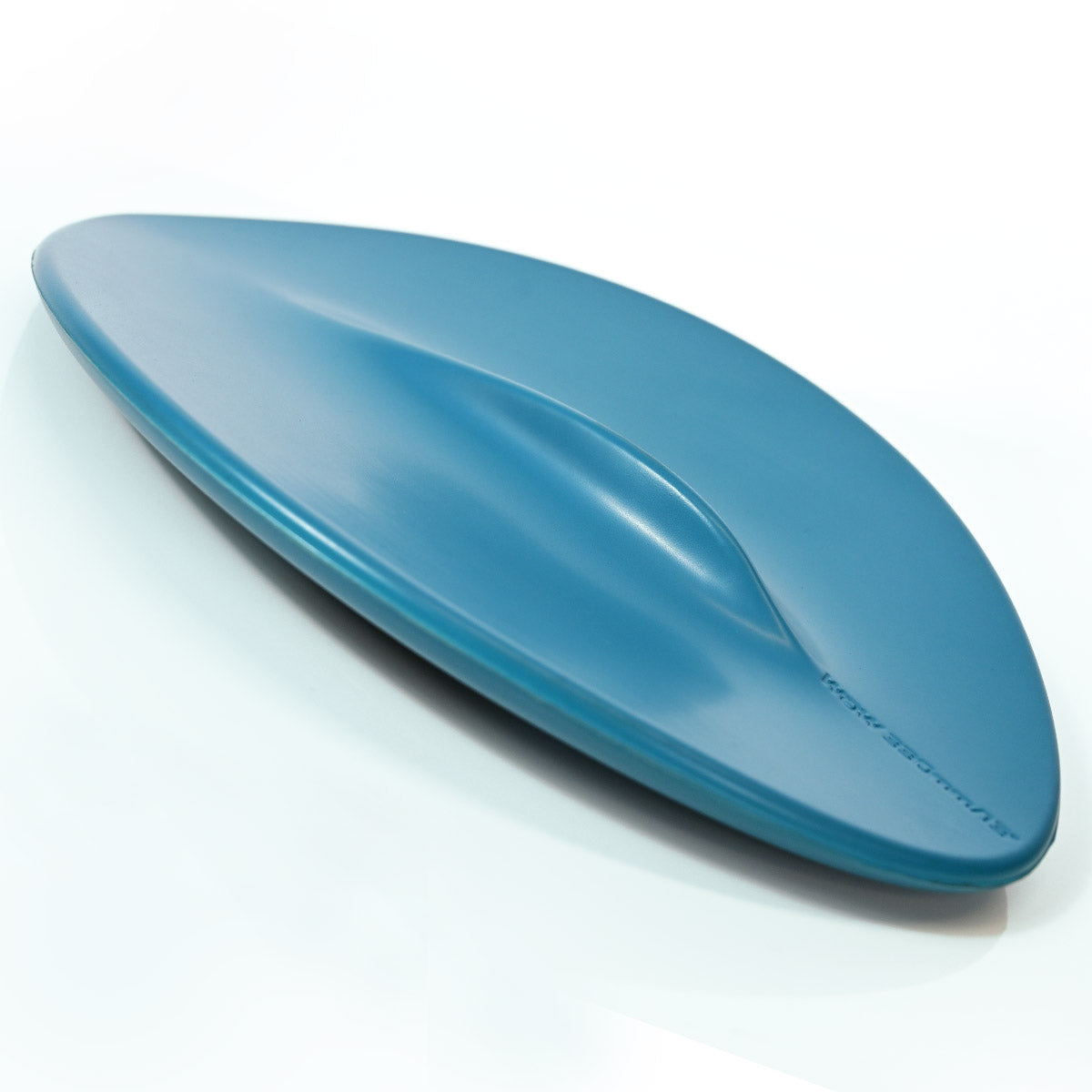
  • Polyurethane - WOW 13" - around 330 to 350 grams, lighter than the 12-inch WOO even though it's an inch longer. Raised palm support, dent and crack resistant, and no maintenance.
  • Polypropylene - Original Classic - moulded, neutrally buoyant and hard-wearing, with an EVA pad under the palm. In continuous production since 1993.
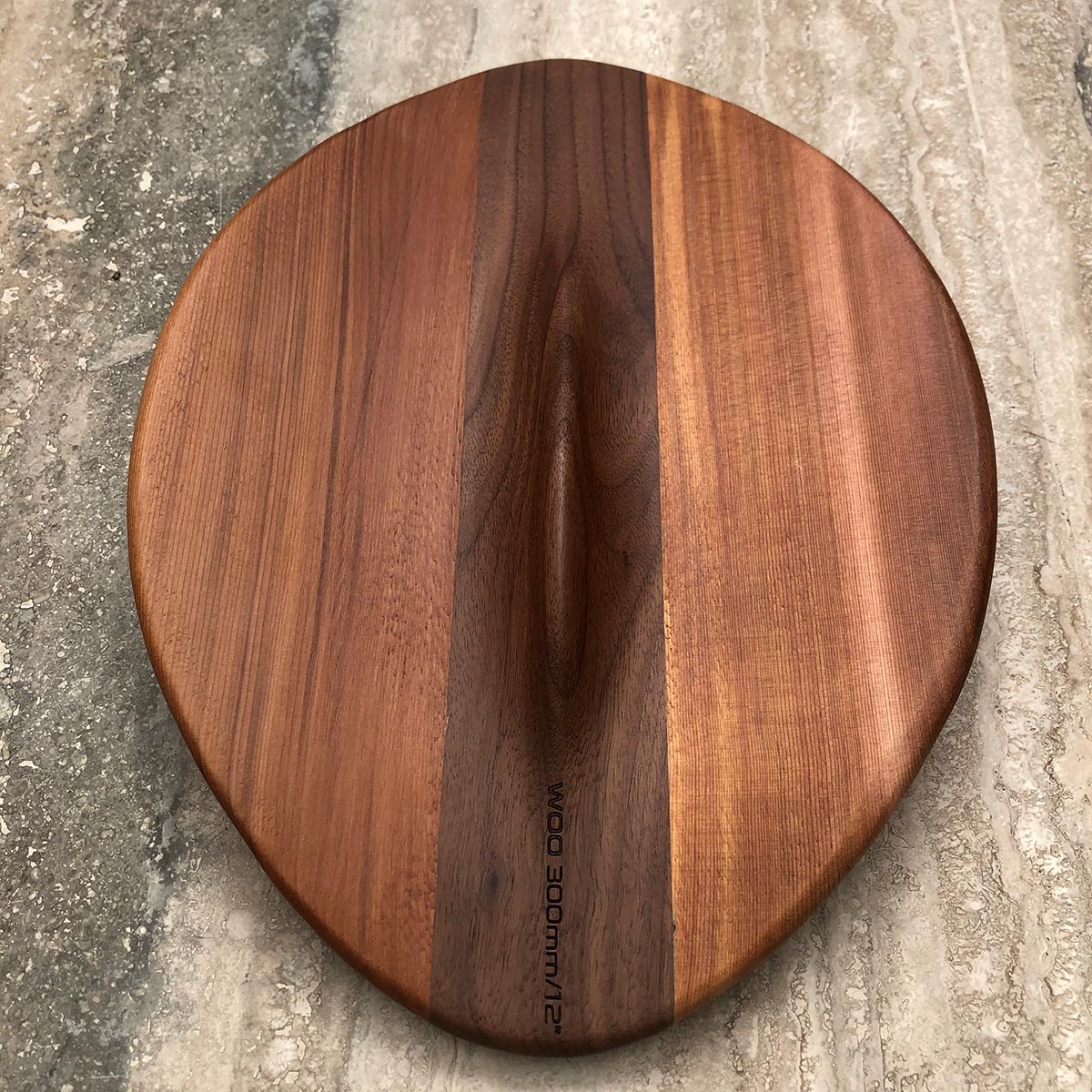
  • Cedar and walnut - EGO 9", WOO 12", FLO 15" and the Duo - CNC-shaped timber with natural buoyancy and the feel of wood under your hand. Raised palm support, recessed retainer plugs and marine-grade stainless hardware.
  • Australian cedar - Original Handcrafted - the original POD signature shape, hand-coated up to eight times and made in limited numbers.
  • Cottonwood - DIY kit - a 15-inch board you finish and assemble yourself, and it rides in either direction.

Raised palm support or the original deck?

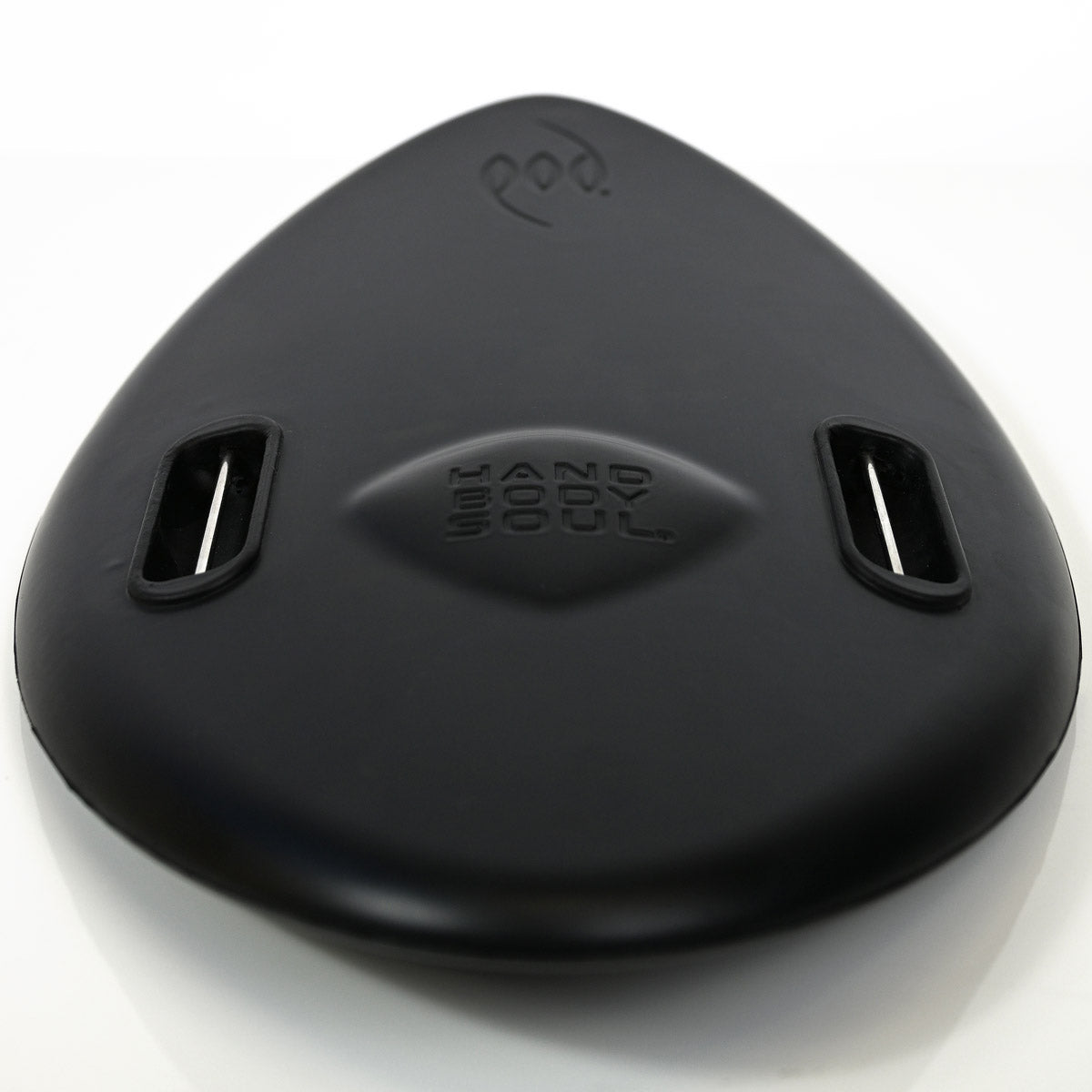
Every POD handboard has a concave bottom, and every model except the DIY board has an integrated keel fin. The difference is on the deck. The WOW 13" and the cedar and walnut range have a raised palm support shaped into the deck. It fills the hollow of your palm, and together with the double-padded neoprene strap over the back of your hand, it holds your hand in place on the board. The Original Classic, Original Handcrafted and DIY board keep the original convex deck, with a flat EVA pad under the palm on the Classic and the DIY. The pad adds comfort, but it can't hold the hand in position the way the raised shape does. The raised palm support came from Classic riders asking for exactly that.

Which size do I need?

Smaller boards suit steep, hollow waves and smaller hands. Larger boards carry more surface area for fuller waves and bigger riders. The EGO 9" is compact and quick to turn, the WOO 12" covers the widest range of conditions, the WOW 13" sits between the WOO and the FLO, and the FLO 15" gives the most surface area for powerful surf.

One board or two?

Most riders use one board on the leading hand. Some prefer one on each hand for a balanced stroke, much like hand paddles in the pool. The Duo pairs two EGO 9" boards for riders of average build. Riders from around 85 to 90 kg often prefer a pair of WOW 13" boards for the extra surface area.

For sizing, technique and how to choose, read How to Choose a Bodysurfing Handboard.

Handboard Questions

Do I need fins to use a handboard?

No. You can ride a handboard without fins in shallow water where you can stand and push into the wave. In deeper water, fins extend what your legs already do by providing extra drive and propulsion. You reach the wave earlier and keep up with it once you're on it.

What size handboard should a beginner get?

A good size handboard for a beginner is between 9" and 13"; we would highly recommend the 13" for ease of swimming, and if you hit yourself, it's not a hard surface like a bodyboard.

Concave or flat?

Every POD board except the DIY kit has a concave bottom with an integrated keel fin. The concave gives lift, speed, and directional control; it also channels water flow outwards from the tail, directing spray downwards rather than upwards and preventing splashback towards the face. Flat boards have very little control and rely on planing on the surface, and water can be dispersed from any section of the board depending on how it's tilted.

Do handboards float?

It depends on the material. Polypropylene boards are close to neutral, timber boards float naturally, and the WOW 13" floats at about 0.46 to 0.48 kg net in seawater. Neutral buoyancy matters. A board that floats too much fights your stroke and loads up your wrist and shoulder.

How should my hand sit in the strap, and does it adjust?

Your fingers point forward, and your hand sits towards the rear of the board, above the keel fin. The WOW has a 50 mm adjustable webbing strap with a 65 mm double-padded neoprene sleeve. A snug fit should be as easy as sliding your hand in once adjusted, and the 65 mm double-padded neoprene cushions the back of your hand. Narrow neoprene straps distribute less padding across the hand and can be uncomfortable.

Do I need a leash, and where does it go?

In bigger surf, a leash keeps the board with you after a wipeout. Regardless, a wrist leash is supplied with all POD handboards. The WOW wrist leash fits either hand, like all our boards. The cord attaches to the stainless steel rod of the hand strap retainer plug, the same principle as a surfboard leash's cord.

Do I need wax?

You only need wax if the board has a slippery surface when wet and has no palm EVA pad or palm hold. Our new featured palm hold and support on our latest models prevent it from slipping off your hand and provide more ergonomic comfort for longer bodysurfs.

Which hand do I wear it on, and is one enough?

Start with your dominant hand. One board is enough for most riders. Some ride a pair for a balanced stroke. A 9" board is a good all-round size, and heavier riders around 85 to 90 kg often suit a pair of WOW 13" boards.

How do I swim with a handboard?

Keep the board hand stretched out ahead of you and let it slice through the water sideways. Swim with your other arm and your legs. A neutrally buoyant board keeps your stroke natural. Underwater, pull the board towards your body for balance, and stroke outwards from the board to reduce body twist. Large boards get hard to swim with as a pair.

Is a handboard hard to swim with?

It can be, and thickness matters more than most people expect. When you swim, you either cut the water with the side of your hand, or you lead with your fingertips and pull with a cupped hand. A handboard has to work with either method. A thick board is hard to turn on its edge to slice through the water. If you nose dive it instead, a thick board can throw a lot of water into your face unless your timing is right. Weight depends on size. A 9" board at 450 grams is very heavy, but a 15" board at the same weight is not. Oversized, hollow boards are usually the hardest to swim with because they are thick. Every POD board stays well under 20 mm thick, and thinner again at the rail.

What waves suit a beginner?

Waist to chest high waves, between the flags at your local beach. Many beaches won't allow hard boards between the flags; the WOW 13" would be treated and rated the same as a boogieboard. Small waves give you time to learn how the board becomes an extension of you and where the board sits on the face before the wave gets steep.
How long do they last, and can they break?

It depends on the material. Wood can split if someone falls on the board or it hits the ocean floor or reef. It also needs consistent care, so waterproof it with marine varnish, not just oils like tung oil, which can soften or weaken the grain. To our knowledge, quality plastic boards would not split or crack. Our classic solid polypropylene board will outlast a person’s lifetime, and our polyurethane board will last just as long if you look after it and keep it out of the sun when in use.

5.0
5.0
5.0
5.0
4.8
5.0
4.7
2.0
5.0
4.8
4.9

Build Your Handboard Setup

Add 2 or more items. Your discount applies automatically at checkout. View savings tiers.

Remove
Remove