
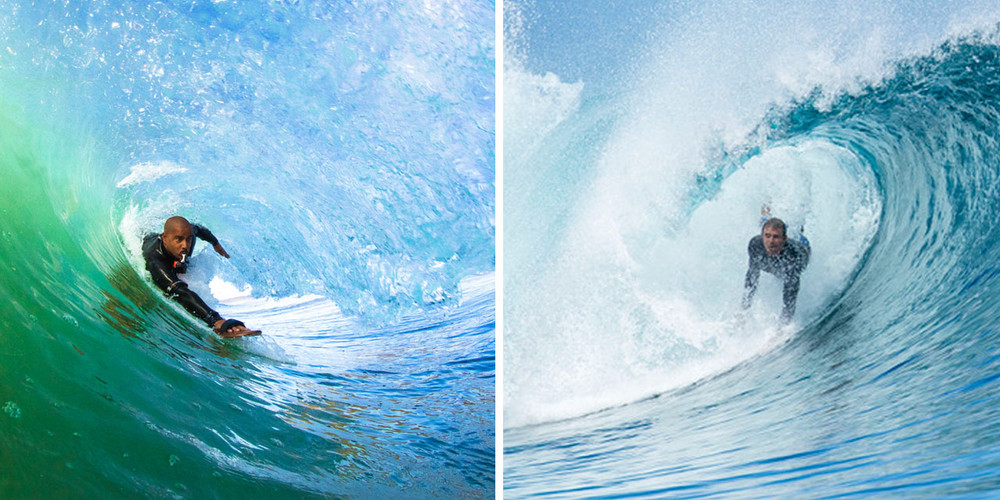
Body Surfing With or Without a Board - What Actually Makes the Difference
Posted by POD Collective on 20th Oct 2024
Bodysurfing: Mastering the Waves Without or With a Handboard
Based on the excellent response to our earlier guide, How to Body Surf Like a Pro, we wanted to further explore the topic of body surfing.
Have you ever felt the pull of a wave with just your body? Body surfing is that pure, raw connection with the ocean. It's the purest form of wave riding - no board, no barrier, just you and the water.
Whether you're gliding smoothly with just your body or using a handboard for extra speed and control, body surfing works across all skill levels and wave sizes. It offers something distinct for those who want pure simplicity and for those who want more control over their ride.
With nothing but the waves beneath you, bodysurfing gives a raw, intimate experience that's hard to replicate. You feel and respond to every wave naturally. A handboard changes that relationship - it adds lift, speed, and directional control, opening up new possibilities on the wave face.
Whether you're after the purest wave or looking for more performance, body surfing has something for everyone. It's accessible, it's fun, and you can do it anywhere there's surf.
Ready to explore bodysurfing properly?
Join us as we cover the key differences between body surfing with and without a board, and the unique challenges and strengths of each approach.
By the end of this article, you'll understand why so many bodysurfers are passionate about this water sport and how you can get started.
Understanding What Body Surfing Is
Body surfing is one's connection with the ocean and the pure form of riding a wave. It's just the ocean and your motion gliding through the water. This raw form of wave riding lets you feel every shift in the wave beneath you.
History and Evolution
The oldest known form of bodysurfing was the ancient Polynesian connection with the ocean waves. By the 1950s, body surfing had begun to evolve, and bodysurfers had developed new techniques, including the invention of body surfing-assisted boards.
Today, body surfing endures through its simplicity and the genuine joy it brings a dedicated community. Although it may not be as commercialised as other water sports, its authentic character attracts new participants every year.
The Basics of Body Surfing
Body surfing is straightforward. You swim to where the waves start to break, position yourself correctly with the wave, and let the wave carry you back towards the shoreline. With practice, timing the wave as it moves towards you and swimming in unison will become second nature.
Here's what you need to know:
- Positioning: To catch a wave, position yourself where it is breaking. Match the wave's speed by swimming quickly and using flutter or dolphin kicks.
- Timing: Timing is everything in body surfing. Start paddling just as the wave begins to crest.
- Technique: Once you're on the wave, keep your body streamlined and relaxed. Arms should be outstretched in front to cut through the water, and your torso should be slightly arched.
Body surfing is about feeling the wave and responding to its movements. It's a skill that improves with every wave you catch. Whether on a board or riding with just your body, the feeling of controlling a wave is what keeps people coming back.
Popularity of Body Surfing
Body surfing has grown steadily in popularity. It's accessible and requires minimal equipment, making it a practical and enjoyable way to get a full ocean workout. A pair of natural rubber swim fins will help you catch waves faster when needed.
Think of body surfing as swimming meets wave riding - you get the cardio and strength benefits of swimming while enjoying the experience of catching waves.
- Body surfing is for everyone: You need a good pair of swim fins, and you're ready. No expensive board or specialised gear required.
- Connection with nature: There's something direct about feeling the power of the ocean without the barriers of equipment between you and the water.
- Fitness benefits: A full-body workout that combines aerobic and anaerobic exercise, building stamina and strength across every session.
- The feeling: The rush of catching a wave is something that doesn't diminish with experience. It's consistent and real.
Why People Love to Body Surf
- Simplicity: No equipment means less preparation. Swim out and start surfing - just you and the ocean.
- Connection to nature: Body surfing lets you connect directly with the ocean. You feel every wave, current, and shift in energy.
- Adaptability: You can body surf in different wave conditions, anywhere. Travelling without a board or fins makes it easier to surf in various locations.
Beginners - Four Bodysurfing Tips to Get You Started
- Start with small waves: Begin with smaller, less powerful waves until you build confidence and a feel for the water.
- Practice swimming: Good swimming skills are essential. Practice in different ocean conditions to build comfort and strength.
- Use swim fins: A good pair of rubber fins will help you move through the water more efficiently and catch waves with less effort.
- Stay safe: Never body surf alone until you are confident and experienced. Avoid areas with strong rips and currents.
These basics will help you get into the water with confidence. Body surfing improves with practice. Each wave is a small lesson in timing, position, and feel.
Body Surfing Without a Board
Body surfing without a board is a direct and demanding experience. It's about you, the ocean, and the waves. To ride well without a board, you need solid technique and an understanding of the right conditions.
Here are the essential techniques, advantages, and challenges of this approach.
Techniques and Skills
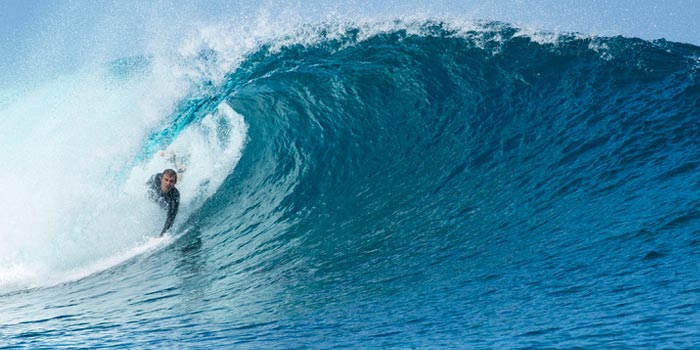
Mastering bodysurfing requires knowing specific techniques. Here are the 10 key essentials:
- Positioning: Find the right spot where waves break consistently. When a wave approaches, position yourself to face the shore where the wave starts to break. Practice finding the area where the wave energy is strongest.
- Swimming out: You must first swim past the break zone. Strong swimming skills, controlled breathing, and comfort in the ocean are essential.
- Wave selection: Choose a wave that suits your skill level. Start with smaller waves and observe how they form and break. Timing begins from the shoreline.
- Timing: Start paddling as the wave begins to crest. Use flutter kicking and swimming strokes when you feel the wave lifting you. It is too early, and you'll miss it. Too late, and it passes beneath you.
- Paddling: Use a firm swimming stroke to catch the wave. Freestyle or a mix of arms and legs both work. Align yourself with the flow for the best results.
- Kicking: Use your legs to propel yourself forward. A steady flutter kick keeps your speed consistent.
- Catching a wave: Position yourself on an incoming wave and swim to match its speed, using a strong stroke and steady kick to stay connected.
- Body alignment: Align your body with the wave's motion. Maintain a straight, firm posture to gain speed and control. Arms outstretched in front, torso slightly arched to reduce drag. Head slightly up, with one arm leading the movement and the other slightly behind for balance.
- Riding the wave: Stay in the pocket - the area with the most power. Adjust your body position to avoid wiping out or going over the falls. The cleanest exit is to cut into the wave and move back into deeper water behind it. This comes with instinct and practice.
- Duck diving: Used to get through oncoming waves. Push your upper body under the wave toward the seabed, using your arms to guide you. Kick your legs up to create downward momentum. This lets the wave pass over you so you can get back to the break quickly.
Choosing the Right Conditions
The right conditions make a significant difference to your bodysurfing experience.
- Wave size: Waist- to chest-high waves are ideal for beginners. More experienced bodysurfers can work with shoulder-high waves for more challenge.
- Beach type: Sandy beaches with a gradually sloping bottom are best for bodysurfing.
- Wave period: Longer periods between waves usually mean more power and energy - well suited to bodysurfing.
- Wind conditions: Light offshore winds help form cleaner, more structured waves. Onshore winds create choppier, less predictable surf.
Challenges
- Physical demands: This style requires more strength and stamina. Strong swimming skills and endurance are necessary to catch and ride waves effectively.
- Safety exposure: Without a board or swim fins, you're more exposed to the elements. There's a higher chance of contact with the ocean floor, rocks, or other surfers.
- Learning curve: Mastering the techniques takes time. You rely entirely on your body's movements without the additional buoyancy and control a board provides.
- Wave size limitations: Smaller waves are more difficult to catch and ride without a board and swim fins. Build your skills on manageable waves before pushing into larger surf.
With a genuine feel for the ocean and consistent practice, you'll ride waves with more control and confidence each session.
Always respect other swimmers and surfers, follow safety rules, and stay aware in the water.
Handboard vs Handplane Terminology
A woodworking craftsperson knows that a "hand plane" has a specific, distinct meaning in woodworking: a bench plane used to shave wood surfaces. When discussing bodysurfing boards, this article prefers the term "handboard" over "handplane" to avoid confusion with woodworking tools.
Body Surfing with a Board
Bodysurfing with a handboard changes what's possible on a wave. A handboard - also known as a hand surfer or body surfing hand plane - is a small, lightweight board strapped to your preferred hand while riding waves. It adds lift, speed, and directional control, making it easier to hold position on the wave face and attempt more precise manoeuvres.

POD Handboards Collection
Every POD handboard is purpose-built for real surf conditions. The range covers every level of bodysurfer, from those catching their first wave to experienced riders working larger surf. Each design is the result of over 35 years of refinement in the water.
- POD Handboards - Original Classic Signature Shape Handplane
Australian-made from durable, recyclable polypropylene for neutral buoyancy and a comfortable swim. A concave bottom and keel fin increase wave-holding capability, while double-padded straps and a palm grip provide comfort across long sessions.
- Original Handcrafted POD Handboard
Each board is handcrafted from A-grade Australian cedar with natural grain variations - a design refined over more than 30 years. A convex deck for palm comfort and a concave bottom with a keel fin deliver optimum lift, speed, and control.
- POD Handboards - EGO 9" Handboard
A compact, hand-built board designed for agility and precise manoeuvres. Crafted from solid cedar and walnut with a convex deck, ergonomic palm hold, and a deep 16mm concave bottom for rapid lift and accurate control.
- POD Handboards - WOO 12" Handboard
A versatile all-round performer for intermediate to advanced bodysurfers. Cedar and walnut construction with a deep 18mm concave bottom and keel fin for reliable wave-holding across a wide range of conditions.
- POD Handboards - FLO 15" Handboard
Built for maximum lift and speed in larger, more powerful surf. Solid cedar and walnut with an expansive planing surface and a deep 20mm concave bottom for formidable lift and precise control in serious conditions.
- POD Handboards - Duo EGO 9" Handplanes
A two-board system designed for control and power across both hands. The dual configuration amplifies lift and doubles swimming stroke efficiency. Each hand-built board features an ergonomic palm hold and a deep 16mm concave bottom.
- DIY Build Your Own Body Surfing Hand Plane
A kit to build a custom cottonwood handboard with the "Hand Body Soul®" design. Rotates 180 degrees to switch between long board and short board positions, providing lift, speed, and control across different surf conditions.
- POD Handboards - WOW 13" Handplane
Crafted from lightweight, eco-conscious polyurethane that's 25% lighter than wood and built to last. Features a world-first ergonomic palm support and a dynamic flex-and-rebound design that actively reduces strain. Delivers reliable lift, speed, and control across a wide range of surf.
Benefits of Using a Handboard
- Increased speed: A handboard helps you cut through the water more efficiently, allowing you to catch waves faster. The hydrodynamic shape reduces drag and gives you a measurable speed advantage.
- Enhanced lift: A handboard gives you more lift, helping you stay on top of the wave and hold your position through the ride.
- Greater control: With a handboard, you have more precise control over direction and positioning on the wave. Steering becomes more deliberate and responsive.
Techniques for Handboarding
Body surfing with a handboard requires a specific technique. Here are five essentials:
- Position and strap on: Place your hand on the handboard in your natural swimming position, then strap on. Strap it on securely with fingers pointing toward the front of the board.
- Paddling to catch waves: Use a strong, even paddle to move out to the waves. Your hand with the handboard should be outstretched ahead of you, slicing through the water.
- Catching the wave: When a wave approaches, kick hard and push your arm with the handboard forward. Feel the wave lift you and start riding.
- Riding left and right: Use your body and the handboard to turn. Lean and press down on the board in the direction you want to go. The sharper the turn, the more deliberate the lean needs to be.
- Body positioning: Maintain a streamlined body position. Your free hand helps with balance and steering, while keeping your legs close together reduces drag.
These techniques improve quickly with practice. It's about reading the wave and reacting cleanly. Over time, the handboard becomes a natural extension of your arm rather than something you think about.
Using a handboard in bodysurfing adds a layer of performance without removing the core connection to the wave. It's a tool that supports what your body is already doing.
Safety Considerations in Body Surfing
Safety matters every time you're in the ocean. Understanding conditions and preparing properly makes a real difference, whether you bodysurf with or without a board and fins.
Understanding Ocean Conditions
Before entering the water, read the ocean carefully.
- Waves: Look for consistent patterns. Are the waves breaking predictably? This helps you anticipate where and when to catch a wave. Avoid areas where waves break too close to shore.
- Rip currents: Powerful, narrow channels of fast-moving water that pull swimmers away from shore. Look for discoloured water or areas where waves aren't breaking. If caught in one, stay calm. Swim parallel to the shoreline until you're clear, then swim back to shore.
- Other hazards: Submerged rocks, reefs, strong undertows, and marine stingers can all pose risks. Ask local surfers or lifeguards about conditions before entering the water.
Warm Up Stretches While Watching the Surf
Warming up while you observe the surf serves two purposes - you prepare your body and read the conditions at the same time.
- Neck and shoulder rolls: Release tension before paddling begins.
- Arm rotations: Extend arms to the sides and circle slowly, then wider, to warm up shoulder joints.
- Leg stretches: Hamstrings and calves take s significant load from kicking. Lunges and toe touches prepare them for the session.
- Back stretches: Gentle torso rotations improve flexibility and reduce the risk of muscle strain during the ride.
Gear Recommendations
For bodysurfing without a board:
- Swim fins: Provide the extra thrust needed to catch waves efficiently and control direction.
- Wetsuit or rash guard: Protects against cold water, sunburn, and abrasion from sand.
- Neoprene socks: Prevent blisters and add comfort when wearing fins for extended sessions.
For body surfing with a handboard:
- Handboard: Adds lift, speed, and control. Choose a size and shape suited to your experience level and the conditions you surf.
- Leash: Keeps your handboard attached in larger surf so you don't lose it on a wipeout.
- Fin savers: Reduce drag and prevent fins from being lost during a wave.
Using quality gear across all of these categories improves both performance and safety. The ocean is unpredictable. The right preparation makes each session more controlled and more enjoyable.
Bodysurfing Community and Culture
Bodysurfing isn't just about wave riding. The community around it is deeply connected to the ocean - direct, unpretentious, and genuinely welcoming. The culture is rich and varied, with dedicated spots and local groups worldwide. There's always a place for a new bodysurfer in the water.
Your Wave. Your Choice.
Body surfing, with or without a board, offers a direct connection to the ocean that other wave sports don't replicate. A handboard adds speed, lift, and control - useful in larger surf and for riders looking to develop their performance. Without a board, you work with pure body mechanics and wave feel, which builds a different kind of skill and awareness.
Both approaches are worth trying. Each one teaches you something the other doesn't. Body surfing suits all skill levels and rewards consistent time in the water.
Stay safe, know your limits, and respect the ocean.