
Why Swim Goggles Leak (and How to Fix It)
Posted by POD Collective on 12th Apr 2026
When goggles leak, the session breaks down. You lose your rhythm, your sighting goes, and your attention shifts from the water to the equipment. The instinct is to tighten the strap. That rarely fixes it.
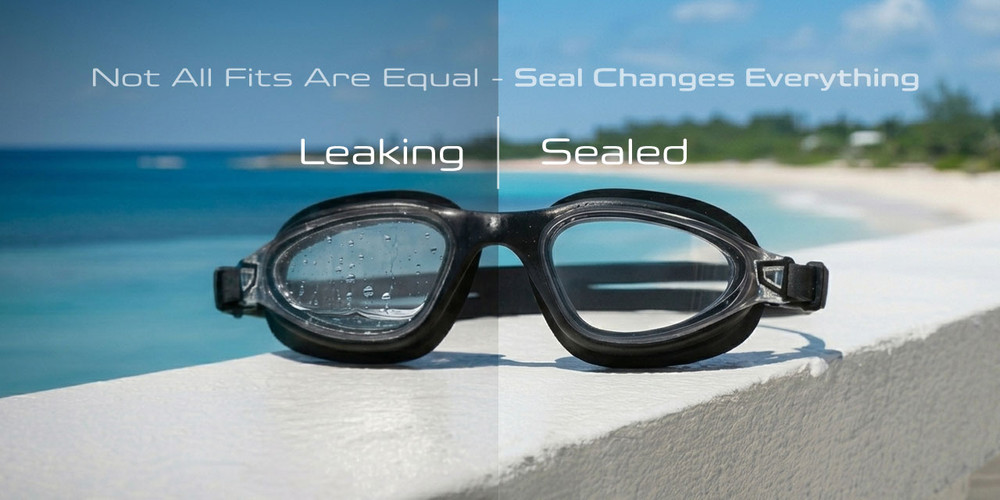
Most leaks come down to fit, not force. A waterproof seal depends on how the gasket sits on your face, not how hard the strap pulls it there.
What Actually Causes Swim Goggles to Leak
Leaking is a predictable result of a localised seal failure. Goggles are designed to create a light, low-pressure vacuum around the eye socket. When that seal is balanced, surface tension keeps the water out. When it is disrupted, water follows the path of least resistance. Every leak comes back to the interaction between the gasket and the skin.
A waterproof fit comes from how the goggle sits on your face, not how hard you pull the strap. Forcing the strap often distorts the gasket rather than improving the seal.
Why Most Goggles Leak (Even New Ones)
Even premium goggles can fail if the structural design does not account for facial movement. Common technical culprits include poor alignment between the gasket and the eye contour, where the vacuum cannot form. Another frequent issue is strap overtightening, which causes the silicone to pucker and create microscopic channels for water. Finally, seal interference from a single strand of hair or the edge of a swim cap can create capillary action, wicking water into the lens regardless of how tight the strap is pulled.
Environmental factors also play a role. The presence of sunscreen, skin oils, or moisturisers can prevent the silicone gasket from seating properly against the skin. Ensuring the seal zone is clean before fitting your goggles is a simple but effective way to maintain a dry session.
The Engineering Factor: Unified Silicone Construction
After extensive testing across a wide range of goggle designs, we found that the most reliable seals come from a unified construction. Many brands overcomplicate designs for the sake of aesthetics or marketing, often combining a rigid plastic or TPR nose bridge with a softer silicone gasket. Because these materials flex at different rates, a rigid bridge can act as a lever, pulling the gasket away from the inner corner of the eye during a stroke.
By utilising high-grade silicone for the entire frame, nose bridge, and gasket, the goggle flexes as a single, unified system. This allows the gear to adapt to your facial expressions, such as squinting in bright light, without different materials fighting against the soft seal. If the materials are unified, they work with the swimmer rather than against the anatomy.
Strap Design: The Split-Silicone Advantage
The method used to secure the goggles is just as vital as the gasket and frame itself. Many modern designs utilise bulky rotational clips or plastic adjustment buckles, which add unnecessary bulk and mechanical failure points. These clips frequently catch and pull hair, especially for swimmers not wearing a cap, and can create uncomfortable pressure points against the back of the head. Experience in Australian ocean conditions has shown that simplicity is often the most reliable solution.
In contrast, a classic one-piece split silicone headband allows the swimmer to adjust the strap's spread manually. By moving the two halves of the strap further apart or closer together on the back of the head, you can perfectly balance the tension across the top and bottom of the eye gasket. This ensures a flush, anatomical fit that remains stable through dives, turns, and water movement.
How to Fix Leaking Goggles Properly
1. The Suction Test
Press the goggles gently against your eyes without the strap. If they hold for a moment through natural suction, the gasket shape matches your face. If they fall away immediately, the fit is not suited to your face.
2. The Two-Finger Rule
The strap's job is to keep the goggles in place, not to pull them into your face. You should be able to slide two fingers comfortably between the strap and your head. If it is tighter than this, that pressure is likely distorting the seal.
3. Position the Split
Use the split strap to your advantage. If you feel water entering at the bottom of the lens, try raising the top half of your split strap to pull the lower gasket closer to your skin.
When It is Time to Upgrade Your Gear
Over time, exposure to chlorine and UV light causes materials to stiffen. Once a gasket loses its softness it can no longer follow the contours of your face. At that point the seal is gone regardless of strap tension. Replacing the gear is the only fix.