
Coastal Living: Where the Ocean Breaks | Atlantic and Pacific
Posted by Team Collective on 3rd Jan 2026
The Western Pulse: From Volcanic Peaks to Atlantic Shores
NORTH AMERICA: The Pacific Powerhouses
Pipeline, Oahu, Hawaii: The Seven Mile Miracle
- Ideal Season: The prime window is during the Northern Hemisphere winter, from November to February. This is the period when the North Pacific swell brings in the most significant and consistent energy.
- The Character: Pipeline is not for the faint of heart. During peak season, the faces can reach heights of 30 feet. The proximity of the reef makes every session a high-consequence event, best suited for experienced individuals with instinctive reflexes and expert skill.
- The Multi-Sport Perspective: While it is the epicentre of the surfing world, Pipeline is arguably the global capital for high-performance bodyboarding and elite bodysurfing. The steepness of the drop and the hollow, compact nature of the barrel allow those using fins to navigate lines and depths within the tube that are often physically impossible on a traditional surfboard.
Mavericks, California: The Cathedral of Giants
- The Experience: Mavericks is world-renowned for its big-wave culture, attracting an elite global community. The waves here are not merely large; they are heavy, influenced by the deep-water canyons of the Monterey Bay National Marine Sanctuary.
- Best Times to Visit: The prime window to witness these giants is from November to March, when winter storms in the Pacific are at their most volatile.
- Safety and Environment: Engaging with Mavericks comes with significant hazards. The water is notoriously cold, the currents are strong and unpredictable, and the waves are fierce. It is crucial for anyone entering the water to be in peak physical condition and well-versed in big-wave safety protocols, including the use of inflatable vests and safety teams. For the land-based traveller, the cliffs of Pillar Point provide a dramatic vantage point to witness the sheer scale of the Pacific’s power.
The Pacific Northwest: Tofino and the Oregon Coast
- The Elements: These coastlines foster a deep respect for nature’s unpredictability. Swell arrives with little warning, and the coastline rearranges itself from season to season; sandbars open and close, producing hollow sections one month and mellow rights the next.
- The Prepared Water-Athlete: These coasts favour those who come prepared. Thick neoprene, booties, and a tuned tolerance for cold are prerequisites. Yet the payoff is elemental: surfers, bodyboarders, and bodysurfers ride waves beneath towering fir-lined bluffs, and on low-traffic days, the line-ups feel like secret rituals.
- Beyond the Water: The region invites shoreline exploration, tidepools, sea stacks, and coastal trails that plug sessions into a larger sense of place. For the visitor, the ocean’s mood is the point; it is not only about catching the best wave but about being present in a landscape that insists on humility and attentiveness.
Baja California, Mexico: Scorpion Bay and Todos Santos
- The Long Glide: Scorpion Bay is famous for long, peeling right-hand points that create extended rides. The feeling here is less about rapid manoeuvres and more about rhythm and flow. When the swell aligns, a ride can feel like a sequence of small discoveries: a bend of the rail, a whisper of a trim, and an easing into a long glide toward the sand.
- Water Character: Seasonal conditions (May–October) favour clean, rolling faces that suit a wide range of craft. While longboarders and SUP riders enjoy the predictable shape, bodyboarders and bodysurfers find punchy, fun sections on the steeper sand-shelves.
- Travel Instincts: The region demands practical travel instincts. Road access can be basic, services are limited, and tides matter. For many, the value comes from time: several days of repetition, board tinkering, and slow mornings followed by tide-savvy sessions. Baja’s light is sharp, its nights are quiet, and its days are shaped by light rather than schedules. It is a region for the coastal traveller who prizes pace over spectacle.
CENTRAL AMERICA: The Isthmus of Consistency
Popoyo, Nicaragua: The All-Day Offshore
- Legendary Waves: You can expect a mix of beach and reef breaks, making it suitable for varying skill levels. The waves here are reliable and range from mellow glides to adrenaline-pumping peaks, offering something for every discipline.
- Ideal Season: The prime window is between March and September. During this period, the South Pacific swells meet those constant offshore winds, producing world-class conditions.
- The Character: With warm water and excellent wave quality, it is common to see faces between 3 and 12 feet. Whether you are looking for long, drawing lines or challenging yourself with bigger sets, Popoyo provides the variety. Bodyboarders and surfers should watch the tides closely; the reefs can be shallow, particularly during low-tide transitions.
Nosara, Costa Rica: The Wellness Frontier
- Beach Break Heaven: Nosara boasts some of the best beach breaks in Central America. The waves here are playful and forgiving, making it a top choice for beginners and intermediates. However, when the swell pulses, experienced watermen and women will find plenty of power to enjoy.
- Conditions: The dry season, from November to April, offers consistent small to medium waves. Morning sessions are particularly favourable, with light offshore winds creating smooth, glassy faces.
- Community and Culture: Nosara is not just about the waves; it is about the "Pura Vida" community. The local culture is known for its warmth, inclusivity, and focus on sustainability. Between sessions, the town is buzzing with friendly locals and travellers sharing stories in organic cafes and surf shops. It is a "Blue Zone" paradise that caters to everyone from SUP riders to dedicated shortboarders.
THE CARIBBEAN: Tropical Wealth and Atlantic Exposure
Rincon, Puerto Rico: The Sentinel of the West
- A Coastal Paradise: Rincon is a sensory experience. Between sessions, the palm-lined coastline and breathtaking sunsets painted in orange, pink, and purple provide a picturesque backdrop for recovery. For a break from the water, the historic Rincon Lighthouse (built in 1892) offers panoramic ocean views and the chance to spot migrating whales during the winter months.
- Water Character: The waves here cater to all. Beginners head to Sandy Beach and Domes for gentler energy; these spots are also local favourites for bodysurfing and bodyboarding. More experienced athletes seek out Tres Palmas, a heavy-hitter known for powerful, towering waves that can reach up to 25 feet under the right conditions.
- Ideal Season: November to April is the prime window, when the North Atlantic generates consistent, sizeable swells. Warm water and favourable trade winds make for perfect conditions.
Santa Catalina, Panama: The Edge of the Frontier
- The Point: Known for its consistency, the main break is a powerful right-hand point that rolls over a volcanic rock bottom. It is a wave that demands respect, offering long, heavy walls that can hold significant size, making it a favourite for those who favour high-performance lines.
- The Multi-Sport Crossover: While the point attracts the shortboarders, Playa Estero nearby offers a vast, sandy playground perfect for longboarding, bodyboarding, and beginner sessions. The energy here is more forgiving, allowing for hours of experimentation in the warm waters of Panama.
- The Expedition: Beyond the break, Santa Catalina serves as the primary gateway to Coiba National Park, a UNESCO World Heritage site. For the ocean-minded traveller, a "down day" here often involves a boat trip to some of the most vibrant snorkelling and diving sites in the Eastern Pacific, where encounters with whale sharks and manta rays are not uncommon.
- The Vibe: Life here moves at a different pace. It is a place of simple accommodations, fresh-caught seafood, and a deep, quiet respect for the Pacific’s temperament.
Barbados: East Coast Exposure and Coral Reefs
- The Terrain: The island’s coral reef system forms several reliable peaks. On larger days, the faces can be quick and hollow, while smaller swells carve smooth runs suitable for progression. Because the island is compact, you can move between breaks in short drives, offering variety without long transits.
- Multi-Sport Depth: Warm water and trade winds contribute to reliable conditions. Bodyboarders and bodysurfers find rewarding shore sections on reef-proximate beaches, while SUP and longboard options appear on calmer days or in protected coves.
- Island Life: Culturally, Barbados pairs accessible waves with active coastal life, local shacks, rum shops, and a welcoming attitude toward those who respect the local rhythm. It is a location where the ocean is an everyday part of life, making it a perfect, culturally immersive escape.
SOUTH AMERICA: The Continent of Infinite Lines
VENEZUELA: The Caribbean High-Energy Coast
Cuyagua: The Spiritual Home
- The Wave Character: Cuyagua is famous for its powerful, punchy beach break. The waves here are fast and hollow, providing an ideal arena for shortboarders and high-performance bodyboarders. On a solid Atlantic swell, the "A-frame" peaks offer incredible ramps and heavy barrels that demand quick reflexes.
- The Atmosphere: The vibe here is legendary. It is a place of weekend camping, riverside drum circles, and a deep sense of community. The local "Cuyagueros" are fiercely proud of their beach, and the atmosphere is one of a constant, saltwater celebration. It is the definitive location for those who want to see the "soul" of South American coastal living.
Isla Margarita: The Wind and Water Capital
- El Yaque: This small beach on the south side of the island is globally recognised as one of the premier locations for windsurfing and kitesurfing. The unique combination of constant trade winds and shallow, flat water makes it a laboratory for speed and freestyle manoeuvres.
- Parguito and El Tirano: On the island's eastern side, you'll find reliable reef and beach breaks. These spots are highly accessible and offer warm, clear water, perfect for a morning surf followed by an afternoon of freediving or snorkelling in the nearby reefs.
Los Roques: The Untouched Archipelago
- The Landscape: This is a protected marine zone of blindingly white sand and every shade of blue imaginable. While the waves here are less "famous" and require a boat to reach, the outer reefs offer "secret spot" potential for those willing to hunt them down.
- The Multi-Sport Crossover: Los Roques is a paradise for SUP paddling and snorkelling. Gliding over the crystal-clear lagoons provides a window into a thriving marine ecosystem of bonefish, rays, and sea turtles.
BRAZIL: The Atlantic Powerhouse
Fernando de Noronha: The Emerald Sanctuary
- Pristine Waves: Known as the "Brazilian Hawaii," Noronha is famous for its powerful right-hand reef breaks and crystal-clear visibility. Spots like Cacimba do Padre offer heavy, hollow barrels that are favourites among professional athletes and high-performance bodyboarders.
- The Marine Connection: Because the island is a protected sanctuary, the water is teeming with life. Between sessions, the area offers some of the best snorkelling and freediving in the Atlantic, where encounters with spinner dolphins and sea turtles are almost guaranteed.
- The Reward: Access is strictly controlled via an eco-tax and limited visitor numbers. This preserves the "sanctuary" feel, ensuring that the beaches remain pristine and the lineups never feel like the bustling mainland.
Florianópolis (Floripa): The Island of Magic
- Praia Mole and Joaquina: These are the high-performance hubs. Joaquina is legendary for its consistent, powerful lefts that have hosted countless international competitions. The energy here is electric, filled with top-tier athletes.
- The Multi-Sport Lifestyle: Floripa is a "Blue Zone" of activity. The calm lagoons of Lagoa da Conceição are a global destination for windsurfing, kitesurfing, and SUP, while the rugged Atlantic side caters to those seeking raw power.
- The Vibe: The island blends sophisticated "beach-club" luxury with rustic fishing villages. It is a place where a morning session is followed by a feijoada lunch and a sunset hike through the Atlantic rainforest.
Rio de Janeiro: The Urban Arena
- Arpoador: Located at the meeting point of Ipanema and Copacabana, Arpoador is a legendary left-hand point break. Surfing here at sunset, with the "Two Brothers" mountains in the background, is a bucket-list experience.
- Saquarema: Known as the "Surf Capital of Brazil," it is located just a short drive from Rio. It offers heavy, powerful waves (like Itaúna) that break over sand and rock, providing some of the most consistent big-wave energy on the mainland.
Itacaré and The Northeast: The Tropical Soul
- The Jungle Points: Spots like Engenhoca and Itacarezinho offer beautiful, long-running waves tucked into secluded bays. It is a haven for longboarders and intermediate travellers looking for a more "relaxed" Brazilian experience.
- Capoeira and Culture: In Bahia, the water-sport experience is deeply intertwined with Afro-Brazilian culture. The sound of the berimbau and the smell of acarajé on the breeze make every session feel like a cultural immersion.
URUGUAY: The Bohemian Atlantic Frontier
Punta del Diablo: The Fisherman’s Sanctuary
- The Water Character: The coastline here is a series of rocky points and sandy bays. The waves are punchy, fun, and honest, ideal for bodyboarders and shortboarders. During the summer months, the Atlantic swells are manageable and playful, while the autumn (March–May) brings larger, more serious energy that tests the grit of the local watermen.
- The Experience: This is a "walking" town. You wake up to the sound of the Atlantic, walk to the local bakery for facturas, and check the waves from the rocks. It is a place for longboarding and bodysurfing in an environment that prizes "the vibe" over the spectacle.
La Paloma: The Cape of Consistency
- Los Botes and La Aguada: The cape offers a variety of breaks. Los Botes is a consistent right-hand point break that breaks over a mix of sand and rock, providing long, drawing lines perfect for SUP surfers and longboarders. On the other side of the cape, La Aguada offers more powerful beach-break peaks for those seeking a faster ride.
- The Sentinel: The iconic lighthouse (Cabo Santa María) stands as a reminder of the region's raw maritime history. The area is surrounded by pine and eucalyptus forests, giving the air a crisp, medicinal scent that defines the Uruguayan coastal experience.
Cabo Polonio: The Off-Grid Dream
- The Wildlife: It is home to one of the largest sea lion colonies in South America. You will often surf or paddle with these curious creatures watching from the rocks.
- The Environment: The waves here are raw and unpredictable, but the magic lies in the isolation. At night, the absence of light pollution reveals a sky so thick with stars it feels close enough to touch. It is a location for meditative SUP sessions and quiet contemplation of the Atlantic’s vastness.
ARGENTINA: The Atlantic Pulse
Mar del Plata: The Birthplace of Argentine Surf
- The Variety of Breaks: The city offers a diverse range of setups. Playa Varese provides a more sheltered environment, ideal for beginners and SUP enthusiasts, while Playa Grande is the high-performance hub. Here, the breaks at Biología and Yacht offer consistent, punchy waves that have raised generations of Argentina’s best surfers.
- The Urban Rhythm: There is something unique about surfing in Mar del Plata; you ride waves against a backdrop of iconic skyscrapers and bustling promenades. After a session, the city’s famous "churros" and a hot "submarino" (chocolate milk) are the local prerequisites for warming up.
Miramar and Necochea: The Southward Escape
- Miramar: Often called the "City of Children," it is far more relaxed. The waves here break over sandbars shaped by the heavy Atlantic swells, providing hollow, fast sections that are a favourite among local bodyboarders.
- Necochea: Home to some of the longest beaches in the country. The "Escollera" (the jetty) helps to groom the swell, creating long, peeling rights. The vastness of the dunes here allows for a sense of total isolation, even just a few kilometres from town.
Patagonia: The Wild Frontier
- Playa Unión (Rawson): A place of raw, elemental beauty. The waves are often shared with Toninas Overas (Commerson's dolphins), which are famous for surfing alongside humans. It is a surreal, life-affirming experience that highlights the purity of the Patagonian coast.
- The Environment: Coastal living here is about the "Estancia" life, vast sheep farms, gravel roads, and the constant whistle of the wind. It is a location for meditative SUP sessions in protected gulfs and "search-and-find" missions for secret reef breaks along the Valdez Peninsula.
COLOMBIA: The Dual-Coast Expedition
The Pacific Reach: Nuquí and the Chocó Jungle
- The Experience: This is "expedition surfing" at its purest. At spots like Pico de Loro and Juan Tornillo, you will find uncrowded reef and point breaks that hold significant swell. The energy here is raw; you are often the only person in the lineup, surrounded by a canopy of ancient trees and the sound of distant waterfalls.
- Multi-Sport Potential: The Pacific coast is a sanctuary for ocean kayaking and SUP exploration. Paddling through coastal mangroves or along the shoreline offers a unique perspective on the rainforest. Between July and October, this region becomes a primary corridor for Humpback whales, providing a breathtaking backdrop for any session.
- The Character: The water is warm, but the environment is demanding. Tides here are dramatic, and the currents can be strong. It is a location that requires humility and a deep respect for the elements.
ECUADOR: The Golden Equatorial Light
Mompiche: The Jungle Point
- The Left Point: Mompiche is home to a world-class left-hand point break that was undiscovered for decades. On a solid Northwest swell, it produces massive, long peeling walls that can run for several hundred metres.
- Multi-Sport Versatility: While the main point attracts performance surfers, the "inside" sections and the nearby Playa Negra (famous for its volcanic black sand) offer mellow, lazy waves. These are perfect for longboarders, intermediate bodyboarders, and SUP explorers who want a more relaxed pace.
- The Atmosphere: It is a place of slow mornings and fresh seafood. The village has a quiet, rustic charm that feels worlds away from the commercial world, making it the definitive "escape" for the coastal traveller.
Montañita: The Cultural Epicentre
- The Right Point (La Punta): Located at the northern end of the bay, La Punta is a consistent right-hand point break. It works on both North and South swells, offering everything from hollow, fast barrels at low tide to playful, "hot dog" style waves at high tide.
- The Community: This is a "Blue Zone" of a high-energy community. The town is buzzing with surf schools, street food, and artisan stalls. It is a perfect base for those who love to share stories over a cocktail after a sunset session.
- Pro Tip: For a quieter experience, the neighbouring village of Olón is just a $1.50 taxi ride away. It offers a massive, 7km stretch of sandy beach break that is much more forgiving for bodysurfers and beginners.
Salinas and the Southern "Little Miami"
- The FAE (Air Force Base): One of the most constant waves in the country is located on an Ecuadorian Air Force base. It is a left-hand point break that breaks over reef; you’ll often surf while sea lions watch from the rocks and soldiers patrol the shore.
- The "La Chocolatera" Vantage: The cliffs here provide a dramatic view of the Pacific’s power and are a great spot for land-based observation of the massive swells that hit the westernmost point of the mainland.
PERU: The Land of the Desert Points
Chicama: The World’s Longest Left
- The Experience: On a solid South swell, the wave wraps around a series of points, connecting for a ride that can exceed two kilometres. It is a leg-burning journey more about meditative flow than aggressive manoeuvres.
- Multi-Sport Draw: Because of its length and predictable pace, it is the world's premier destination for SUP surfing and longboarding. The effort required to paddle back is so great that many travellers utilise the local "tow-back" boat services to maximise their time on the face.
Pacasmayo: The Wind-Swell Giant
- The Character: This is a heavy-duty left-hand point break that can hold massive size. It is widely considered one of the best locations in the world for windsurfing and kitesurfing due to the incredibly consistent side-offshore winds that groom the face of the massive swells.
- The Watermen’s Choice: While surfers love it on lighter wind days, it is the multi-sport athletes who truly claim this spot, utilising the wind to carve turns on waves that seem to last forever.
The Northern Frontier: Máncora and Lobitos
- Lobitos: A world-class destination set amongst a surreal landscape of old oil piers and desert dunes. It offers multiple left-hand points (La Piscina, El Hueco) that are faster, hollower, and more high-performance than Chicama. It is a favourite for professional bodyboarders and those seeking the "barrel of their life."
- Máncora: The "lifestyle" capital of the north. With its turquoise water and consistent sunshine, it’s a paradise for longboarding and beginner-to-intermediate travellers. The town is vibrant, filled with open-air restaurants and a bustling oceanfront community.
Lima: The Urban Surf Hub
- La Costa Verde: The "Green Coast" offers a variety of breaks right in the heart of the city. Spots like Punta Roquitas are high-performance hubs, while La Herradura is a legendary, heavy left-hand point that only wakes up on big swells and is the stuff of local lore.
- Punta Hermosa: Located an hour south of the city, this is the "North Shore" of Peru. It is home to Pico Alto, one of the biggest waves in South America, and Playa Norte, a fun, punchy reef break perfect for bodysurfing and shortboarding.
The Caribbean Reach: Santa Marta and the Tayrona Coast
- Costeño Beach: Located near the entrance to Tayrona National Park, Costeño Beach is the heart of the Caribbean surf scene. The waves here are playful beach breaks, clean, warm, and perfect for longboarding and intermediate bodyboarding. It is a social hub where the evenings are spent in hammocks under the coconut palms.
- Tayrona National Park: For those who value scenic depth, the beaches within the park, such as Arrecifes and La Piscina, offer stunning vistas of giant granite boulders meeting the sea. While the currents in some areas are too dangerous for swimming, the protected coves provide some of the best snorkelling in the country, with vibrant coral heads and tropical fish.
- The Vibe: Life here moves to the beat of cumbia and vallenato. It is a region of "beach-shack luxury," where fresh coconut water and fried plantains fuel sunrise-to-sunset coastal living.
CHILE: The Cathedral of the Pacific
Pichilemu and Punta de Lobos: The World Capital
- The Sentinel Rocks: The wave is defined by Los Morros, two towering rock formations that stand at the point. On a massive swell, the ocean marches past these rocks in thick, dark-blue curtains. It is a heavy, high-performance wave that can run for over 800 metres, offering a leg-burning ride for those who can handle the speed.
- Cold Water Reality: This is 4/3mm or 5/4mm wetsuit territory. The Humboldt Current keeps the water brisk year-round, keeping crowds at bay and keeping the focus on the pure athleticism of the sport.
- The Community: Despite the "big wave" reputation, the town of Pichilemu has a warm, rural heart. It is common to see horses and carts alongside surf vans, and the local cuisine, focused on fresh reineta (fish) and caldiño de congrio (chowder), is the perfect fuel for recovery.
Arica and Iquique: The Northern "Pipe"
- El Gringo (Arica): Often called the "Chilean Pipeline," this is a shallow, dangerous, and incredibly beautiful A-frame barrel that breaks over a sharp, sea-urchin-encrusted reef. It is a wave for experts and a favourite for professional bodyboarders who thrive in its technical, hollow sections.
- The Desert Vibe: In Iquique, the waves break right in front of the city’s high-rises. Spots like Cavancha offer more accessible energy for longboarders and SUP enthusiasts, while the nearby "Cerro Dragón" (the world’s largest urban sand dune) looms over the water, reminding you of the desert’s edge.
Matanzas and Puertecillo: The Wind and the Secret
- Matanzas: A sanctuary for the multi-sport athlete. The constant, reliable winds make it a global destination for kitesurfing and windsurfing, while the left-hand point break provides excellent surfing. The aesthetic here is "eco-modern," with sustainable wood cabins and a sophisticated, quiet energy.
- Puertecillo: For years, this was Chile's "best-kept secret". Accessed by a hair-raising drive down a steep cliff, it offers a long, mechanical left-hand point that is softer and more "user-friendly" than Punta de Lobos, making it a paradise for longboarders and intermediate surfers.
EUROPE: The Atlantic Frontier
Nazaré: The Cathedral of Giants
- The Canyon Effect: The secret to Nazaré’s power lies beneath the surface. The Nazaré Canyon, a 5,000-metre-deep underwater gorge, funnels Atlantic swells directly toward the shore. As the swell hits the shallow water near the lighthouse (Farol da Nazaré), it magnifies into a "peak" that can exceed 80 feet.
- The Spectacle: In 2011, Garrett McNamara put this spot on the map by riding a 78-foot wave, but today, athletes are pushing toward the 100-foot mark. This is a high-stakes arena for tow-in surfing, where jet-ski teams work in perfect synchronisation to navigate the massive walls of water.
- Ideal Season: The "Big Wave" window runs from October to March. During these months, the town transforms into a global stadium. Even for those who don’t surf, watching from the cliffs by the lighthouse is a life-changing experience, a front-row seat to the rawest power of the Atlantic.
- A Warning of Respect: Nazaré is a place of extreme consequence. The sheer volume of water and the ferocity of the currents mean this is a venue strictly for elite, professional teams. It is a place for the world to watch in awe.
Alentejo: The Wild Coast (The Hidden Gem)
- The Terrain: Unlike the urban hubs, Alentejo offers a series of "Secret Spots" tucked between jagged cliffs. Villages like Vila Nova de Milfontes and Zambujeira do Mar provide stunning beach breaks that are far less crowded than the central coast.
- Multi-Sport Depth: The Atlantic here is crisp and clear, making it a paradise for coastal trekking and SUP exploration. Paddling along the base of the cliffs reveals hidden sea caves and turquoise lagoons that are inaccessible by land.
- The Lifestyle: This is the Portugal of old. It is a place of dusty trails, world-class wine, and fresh-grilled sardines. For the traveller, it offers a "silent luxury", the luxury of having a world-class wave and a breathtaking sunset all to yourself.
FRANCE: The High-Performance Hub
Hossegor: The World’s Best Beach Break
- La Gravière and The Power of Sand: Hossegor is famous for its "Gouf de Capbreton," an underwater canyon similar to Nazaré's, but one that focuses the energy onto shallow sandbars. La Gravière is the crown jewel: a heavy, hollow, intimidating wave that breaks very close to shore. It is a favourite for professional shortboarders and bodyboarders who seek the thrill of a thick, "spitting" barrel.
- The Prime Window: The "Golden Season" is September to November. This is when the autumn swells arrive, the summer crowds thin out, and the offshore winds groom the Atlantic into perfection. The water remains mild, and the light over the pine forests is spectacular.
- The Festival of Surf: Hossegor is a lifestyle hub. The town is the European headquarters for major surf brands, and the atmosphere is electric. During the Quiksilver/Roxy Pro France, the town becomes a global stage, blending elite competition with a month-long celebration of music, art, and coastal culture.
Biarritz: The Birthplace of European Elegance
- Côte des Basques: This is the spiritual home of longboarding in Europe. Sheltered by high cliffs and framed by the iconic Villa Belza, it offers long, gentle walls that are perfect for SUP riders and traditional stylists. It is arguably the most beautiful "classroom" in the world for those learning to walk the board.
- The Multi-Sport Crossover: Biarritz is a place of wellness. Between sessions, the coast is a haven for ocean swimming and coastal trekking. The Basque influence is everywhere, from the architecture to the "pintxos" (tapas) and local cider, making it a culturally rich bookend to the French coast.
Gear Considerations for These Conditions
Across the Atlantic and Eastern Pacific, conditions can shift from tropical glare and warm-water reef breaks to cold currents, strong winds, remote coastlines, and heavy open-ocean energy. In locations like these, gear choice becomes less about convenience and more about matching the environment, protecting your body, and staying comfortable enough to enjoy longer periods in the water.
For travellers moving through multiple climates and wave types, it helps to think in simple layers: clear vision, ear protection where exposure is repeated, choosing the right craft for the conditions, fins suited to the water energy, and a few honest essentials that support long days outdoors. The goal is not to overpack, but to bring equipment that suits the environmental conditions, making each session more enjoyable.
Lens Clarity and Sun Glare
Bright tropical light, reflective reef zones, and long open coastlines can quickly increase glare and eye fatigue. In softer light or mixed conditions, clear lenses can help maintain natural visibility, while mirrored or tinted lenses are often better suited to high-glare environments where the water and sun are both intense. For ocean swimming, bodysurfing, and long beach days, comfortable eyewear that seals well and stays clear can make a noticeable difference.
Ear Protection in Cold Water and Wind
From Chile and Patagonia to Portugal, France, and other wind-exposed Atlantic stretches, repeated cold water and wind exposure can take a toll over time. In these kinds of regions, well-fitted ear protection is worth considering not only for surfers, but also for swimmers, bodysurfers, and anyone spending regular time in cold or turbulent water. It is a small item, but one that can make ongoing ocean use more sustainable and more comfortable.
Choosing the Right Craft for the Conditions
Wave energy and coastal structure vary widely across these regions. Long, peeling point breaks, powerful beach breaks, and heavy reef setups each demand a different approach in the water.
In these environments, choosing between a surfboard and a bodyboard is less about preference and more about matching the conditions. Longer, open faces and drawn-out point breaks often suit a surfboard, allowing for extended lines and flow. Steeper, more hollow waves, shifting peaks, and heavier shorebreaks can favour a bodyboard, where control, positioning, and close contact with the wave become more important.
There is no single answer. The conditions decide. Matching your equipment to the wave not only improves performance, but it also makes each session safer, more controlled, and more enjoyable.
Fin Choice for Power, Water Temperature and Wave Energy
Not every coastline rewards the same fin feel. Hollow, fast waves and stronger currents often call for more drive and control, while long sessions in mellow water may favour comfort and efficiency over stiffness. In colder zones, overall fit becomes even more important, especially when your body is already working harder against the conditions. A fin that suits the wave energy and your time in the water will always perform better than one chosen on looks alone.
Other Essentials Worth Packing
Some of the most useful items are the least glamorous. Reef-safe sunscreen, hydration, a hat or sun shirt for long walks on the beach, and a compact first-aid kit all make sense when travelling across exposed coastlines or remote regions. Where colder water is involved, planning proper thermal protection matters just as much as your board or fins. Sometimes the best gear decision is simply the one that helps you stay out longer, recover better, and come back for the next session ready to go.
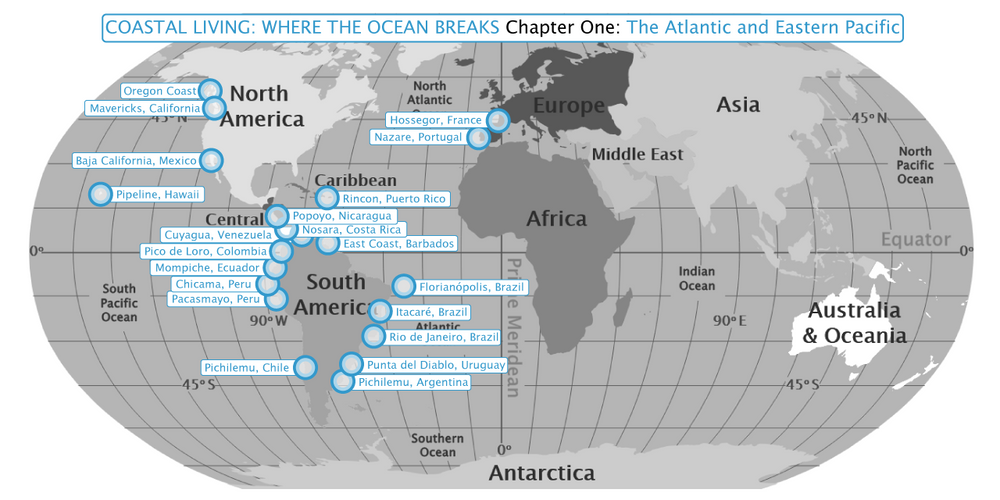
CHAPTER 1 FINALE: The Atlantic and Eastern Pacific
The ocean is a continuous dialogue between the land and the sky, and in this chapter, we have listened to its most powerful voices. From the frozen peaks of the Pacific Northwest to the tropical pulses of the Caribbean, and from the 'infinite' desert glides of Peru to the skyscraper-sized giants of the Portuguese coast, we have mapped a world defined by the rhythm of the swell.